.
.
Breakthrough Microscope Technology Offers New Hope for Inflammatory Bowel Disease
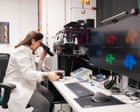
A groundbreaking microscope technology known as 'Curie' has emerged as a powerful tool that researchers believe could revolutionize understanding of incurable bowel disease and accelerate the development of novel therapeutic approaches. This advanced microscope technology operates at unprecedented resolution levels, providing scientists with capabilities far exceeding traditional optical imaging methods. The microscope advanced bowel disease research by delivering detailed cellular and molecular insights that were previously impossible to obtain.
The growing prevalence of debilitating bowel conditions among younger populations worldwide has created an urgent need for innovative diagnostic and therapeutic solutions. Current treatment options remain limited, and many patients continue to suffer from chronic symptoms that significantly impact their quality of life. Researchers across leading medical institutions have pinpointed the need for better understanding of disease mechanisms at the microscopic level as crucial to developing effective interventions.
Understanding the Scale of Inflammatory Bowel Disease
Inflammatory bowel disease represents a significant public health challenge affecting millions globally. According to the British Society of Gastroenterology, more than half a million people throughout the United Kingdom currently live with IBD, making it one of the most prevalent chronic gastrointestinal disorders in developed nations. This chronic condition encompasses several distinct forms, with Crohn's disease and ulcerative colitis representing the two predominant manifestations of the disease spectrum.
The rising incidence among younger demographics has raised considerable concern within the medical community. Young adults and adolescents diagnosed with these conditions often face decades of managing symptoms, undergoing repeated medical procedures, and contending with potential complications. The psychological and physical toll of living with an incurable bowel disease cannot be overstated, driving the urgency for breakthrough discoveries.
Revolutionary Capabilities of the Curie Microscope
What distinguishes 'Curie' from conventional microscopy technologies is its extraordinary operational capacity. Operating at 10 times the resolution of standard microscopes, this advanced microscope technology enables researchers to visualize cellular structures and biological processes at unprecedented magnification levels. Such enhanced resolution capabilities open entirely new avenues for investigating the fundamental mechanisms underlying inflammatory bowel disease pathogenesis.
The microscope's revolutionary design represents years of collaborative engineering and scientific development. Teams of researchers and optical specialists have worked to overcome significant technical challenges in creating an instrument capable of such extreme resolution while maintaining practical usability in research settings. The resulting innovation promises to transform how scientists approach studying complex gastrointestinal disorders.
Potential for Discovery and Treatment Development
Researchers express considerable optimism regarding the microscope advanced bowel disease investigation and its potential to identify underlying disease mechanisms. By observing tissue samples and cellular interactions at magnifications previously unavailable to the scientific community, researchers may uncover previously hidden aspects of disease progression and immune system dysfunction.
These discoveries could catalyze the development of entirely new treatment paradigms for both Crohn's disease and ulcerative colitis. Current therapeutic approaches primarily focus on managing symptoms and reducing inflammation through immunosuppressive medications. However, if researchers can identify the root cause mechanisms driving these conditions, pharmaceutical companies and biotechnology firms could develop targeted therapies that address fundamental disease etiology rather than merely alleviating symptoms.
Implications for Global Healthcare
The potential impact of discoveries enabled by this advanced microscope technology extends far beyond individual patients. Understanding the true root causes of inflammatory bowel disease could reshape treatment protocols globally, offering hope to millions of suffering individuals. Medical institutions worldwide are monitoring this research initiative closely, recognizing its potential to generate paradigm-shifting insights.
The collaborative nature of modern medical research means that discoveries made using 'Curie' will likely be rapidly disseminated throughout the international scientific community. Researchers at institutions across North America, Europe, Asia, and beyond stand ready to apply new knowledge to their own investigations, accelerating the pace of therapeutic innovation.
Moving Forward: The Future of Bowel Disease Research
As this microscope advanced bowel disease research progresses, the medical community anticipates substantial advancements in our comprehension of inflammatory conditions affecting the gastrointestinal tract. The investment in such cutting-edge technology reflects a broader commitment to addressing diseases that have long resisted conventional treatment approaches.
The journey from laboratory discovery to clinical application typically requires years of additional research, clinical trials, and regulatory approval processes. Nevertheless, the availability of such powerful investigative tools represents a significant step forward in the long-term effort to transform inflammatory bowel disease from an incurable chronic condition into a manageable or potentially preventable disease. Patients, clinicians, and researchers alike remain hopeful that 'Curie' will prove instrumental in achieving these ambitious therapeutic goals.