 .
.
Understanding Aircraft Contrails and Their Atmospheric Impact
Aircraft contrails have emerged as a significant factor in aircraft contrails atmospheric warming, with scientific evidence demonstrating their substantial contribution to climate change. These condensation trails, formed when hot aircraft exhaust meets cold upper-atmosphere air, contain water vapor and particulate matter that trap heat within Earth's atmosphere.
What Are Contrails and How Do They Form?
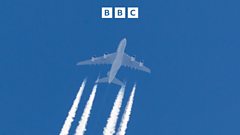
Contrails are visible lines of condensed water vapor and ice crystals that form behind aircraft traveling at high altitudes. When aircraft engines release exhaust containing water vapor into the upper atmosphere, the moisture rapidly condenses in the extremely cold air, creating these distinctive white trails. This process occurs primarily at altitudes above 26,000 feet where temperatures remain well below freezing.
The formation of contrails depends on several atmospheric conditions, including humidity levels, temperature gradients, and aircraft engine efficiency. Airlines operating in humid conditions or during specific seasons experience more persistent contrail formation. Understanding these mechanisms is crucial for comprehending aircraft contrails atmospheric warming effects.
The Warming Mechanism of Vapor Trails
The primary mechanism by which contrails contribute to warming involves their ability to trap infrared radiation. These ice crystal formations act similarly to thin clouds, reflecting solar radiation while simultaneously absorbing and re-emitting heat back toward Earth's surface. This radiative forcing effect makes contrails a potent climate factor despite their temporary nature.
Research indicates that the warming impact of contrails persists for hours after aircraft pass, with some studies suggesting the cumulative effect throughout busy flight corridors equals or exceeds the warming contribution from aircraft fuel combustion itself. This revelation has prompted climate scientists to prioritize aviation-related warming studies.
Scientific Evidence and Research Findings
Multiple peer-reviewed studies have quantified the climate impact of aviation contrails. Scientists have documented that cirrus clouds formed by contrails can increase regional surface temperatures, particularly during nighttime hours when their heat-trapping effect becomes more pronounced. The radiative forcing from contrails represents a significant yet often overlooked contributor to total aviation greenhouse gas emissions.
Long-term satellite observations reveal that high-traffic flight corridors show measurable atmospheric warming patterns directly correlated with contrail formation. These findings suggest that aircraft contrails atmospheric warming deserves greater attention in climate change mitigation strategies.
Aviation's Broader Climate Footprint
While fuel combustion and CO2 emissions typically receive primary focus in aviation environmental discussions, the contrails warming effect adds another critical dimension. The International Air Transport Association acknowledges that non-CO2 effects from aviation, including contrails, may double or triple the actual climate impact compared to CO2 emissions alone.
This multiplier effect underscores why comprehensive climate solutions for aviation must address contrail formation alongside traditional fuel efficiency improvements.
Potential Solutions and Mitigation Strategies
Researchers are exploring several approaches to minimize contrail formation and its warming effects. Route optimization represents one promising strategy, where flight paths are adjusted to avoid or minimize formation of persistent contrails in sensitive atmospheric conditions. Airlines operating with this approach have demonstrated significant potential for reducing the atmospheric warming contribution from their operations.
Technological innovations in engine design aim to reduce water vapor emissions, while fuel alternatives may decrease overall exhaust composition changes in the upper atmosphere. Additionally, air traffic management systems increasingly incorporate contrail forecasting capabilities to guide pilots toward routes with minimal warming potential.
The Role of Altitude and Flight Timing
Emerging research suggests that aircraft operating at lower altitudes during specific times can substantially reduce contrail formation. Night flights particularly benefit from altitude adjustments since the radiative forcing effect of contrails operates differently during darkness. Strategic scheduling of flights based on atmospheric conditions represents a practical, near-term mitigation approach.
Looking Forward: Policy and Industry Response
Aviation regulatory bodies worldwide are beginning to incorporate contrail considerations into environmental policies. The European Union has initiated research programs examining how flight scheduling and routing can minimize contrail impacts. Industry stakeholders recognize that addressing aircraft contrails atmospheric warming will be essential for achieving net-zero aviation targets.
As climate awareness intensifies, pressure mounts on airlines and aircraft manufacturers to implement solutions that address this atmospheric warming challenge comprehensively.


