 .
.
Technological Innovation in Wildfire Detection and Prevention
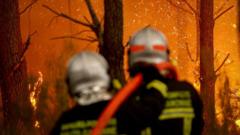
Wildfire detection technology has undergone a significant transformation in recent years, with artificial intelligence and advanced monitoring systems playing an increasingly important role in identifying and tracking fires before they spread uncontrollably. While innovation continues to reshape how authorities approach fire prevention, firefighters remain irreplaceable in active containment and suppression operations on the ground.
The integration of sophisticated sensors, satellite imagery, and machine learning algorithms has created a comprehensive early warning ecosystem. These systems can identify thermal anomalies, smoke patterns, and environmental conditions that indicate imminent fire risk with unprecedented accuracy. However, this technological advancement complements rather than replaces the essential human element of professional firefighting.
How Advanced Detection Systems Work
Modern wildfire detection technology employs multiple layers of observation and analysis. Satellite-based thermal imaging continuously monitors vast geographic areas, detecting temperature variations that suggest active fires. Ground-based sensors equipped with infrared cameras and smoke detectors provide real-time data from strategic locations across vulnerable regions. These detection networks feed information into artificial intelligence systems that analyze patterns, predict fire behavior, and estimate spread trajectories.
Machine learning models trained on historical wildfire data can forecast fire propagation paths based on weather conditions, terrain features, fuel availability, and wind patterns. This predictive capability allows emergency management teams to preposition resources, evacuate populations, and prepare containment strategies before flames reach critical infrastructure or populated areas. The automation of threat assessment dramatically accelerates response times compared to traditional manual monitoring methods.
The Irreplaceable Role of Professional Firefighters
Despite technological advances in wildfire detection systems, the actual suppression and control of active fires demands specialized human expertise and physical intervention. Firefighters utilize field experience, real-time environmental assessment, and tactical decision-making that artificial intelligence cannot replicate. They execute complex strategies including controlled burns, firebreak construction, water deployment, and evacuation coordination that require judgment, adaptability, and courage in unpredictable conditions.
Firefighters operating in wildfire environments must respond to rapidly changing circumstances, make split-second decisions affecting multiple lives, and adapt tactics when unexpected wind shifts or terrain complications emerge. The human element of situational awareness, empathy for endangered communities, and commitment to life safety cannot be digitized. Professional firefighting crews bring decades of accumulated knowledge passed between generations of emergency responders.
Complementary Integration for Maximum Effectiveness
The most effective wildfire management strategies combine technological capabilities with human expertise. Detection systems alert firefighters to emerging threats, providing critical minutes or hours for mobilization. Predictive models inform tactical planning, directing crews toward the most vulnerable areas. Real-time data streaming from sensors supports decision-makers in command centers, enabling rapid resource allocation and inter-agency coordination.
Firefighters utilize technology in the field through communication systems, thermal imaging equipment, and precision mapping tools that enhance operational effectiveness. Drones equipped with cameras scout terrain ahead of ground crews, identifying optimal access routes and assessing fire intensity. Advanced weather monitoring provides crews with detailed forecasts that inform safety protocols and suppression technique selection.
Future Evolution of Wildfire Response Systems
Emerging technologies promise further enhancement of wildfire detection and management capabilities. Autonomous drones may deliver fire retardant or conduct surveillance in environments too dangerous for human presence. Internet of Things networks could deploy thousands of micro-sensors across vulnerable landscapes, creating granular detection coverage. Quantum computing may process complex fire behavior models in milliseconds, enabling hyper-accurate predictions.
However, these technological innovations will serve to augment firefighter capabilities rather than eliminate the need for trained personnel. The coordination between automated systems and human decision-makers will become increasingly sophisticated, creating hybrid response frameworks that maximize human strengths in judgment and adaptability while leveraging computational power for analysis and prediction.
Conclusion: Technology as a Force Multiplier
Wildfire detection technology represents a significant advancement in public safety infrastructure, enabling faster identification of emerging threats and more informed strategic planning. Yet the fundamental truth remains unchanged: technology enhances but cannot replace the skilled professionals who face dangerous conditions to protect communities and natural resources. The future of wildfire management depends on seamless integration of artificial intelligence, advanced sensors, and the irreplaceable expertise of dedicated firefighting personnel working in coordinated partnership.


