 .
.
Burnham Dismisses Early Election Prospects
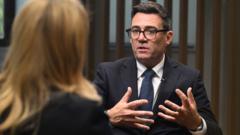
In a significant political statement, Andy Burnham has categorically ruled out an early election during an exclusive BBC interview with Laura Kuenssberg. The prime minister's declaration that the government will honour the manifesto upon which it was elected provides crucial clarity on the administration's legislative roadmap and parliamentary intentions.
Manifesto Commitment Takes Centre Stage
When questioned directly about the possibility of calling an early general election, Burnham emphasised the democratic mandate received from voters. The prime minister stated that people "voted for a manifesto" that his government remains fully committed to implementing throughout its tenure. This resolute position underscores the administration's determination to deliver on policy promises made during the electoral campaign.
Understanding the Political Context
Andy Burnham's ruling out of an early election carries substantial implications for the current parliamentary landscape. By confirming the government's intention to serve a full term, the prime minister signals stability and continuity in governance. This approach demonstrates confidence in the administration's legislative agenda and its ability to maintain parliamentary support throughout the full five-year cycle.
Strategic Implications for Government
The dismissal of early election prospects suggests the administration believes it possesses sufficient parliamentary backing to pursue its policy objectives without seeking a fresh popular mandate. This stance reflects typical practice for newly elected governments that enjoyed substantial electoral victories or commanding majorities in Westminster. Burnham's comments appear calculated to reassure both his own MPs and the broader electorate regarding the government's stability and commitment to long-term planning.
Manifesto Delivery as Priority
By repeatedly referencing the manifesto, Burnham emphasises that the government's primary focus remains the implementation of commitments made to voters rather than organisational matters or internal political calculations. This framing positions any suggestion of an early election as potentially contradictory to the government's democratic mandate and policy priorities. The prime minister's language suggests that rushing to a new election would represent a failure to deliver on promises already made to the British people.
Looking Forward
Burnham's categorical dismissal of early election scenarios provides the political landscape with a degree of predictability regarding Westminster's parliamentary calendar. This certainty allows both government and opposition parties to plan their strategic approaches based on a confirmed five-year parliamentary term. The prime minister's confidence in ruling out such scenarios suggests internal assessments indicate the government maintains sufficient parliamentary numbers and public support to sustain operations without seeking electoral validation.


