.
.
Burnham Outlines Cost of Living Relief Strategy
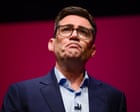
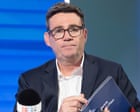
In his inaugural statement since returning to parliament, Andy Burnham has unveiled a comprehensive cost of living relief initiative aimed at addressing the financial pressures facing British households. The Makerfield MP revealed his ambitious plan during a recent LBC interview, detailing multiple interventions designed to reduce expenses across essential services and support vulnerable demographics.
The cost of living relief package represents a significant policy commitment from Burnham, who anticipates assuming the role of prime minister in the coming weeks. His proposals demonstrate a multi-faceted approach to tackling inflation and household financial strain through targeted government intervention and structural economic reforms.
Business Rates and High Street Support
Central to Burnham's cost of living relief strategy is a commitment to reducing business rates for qualifying high street enterprises. The proposal targets small and medium-sized retailers struggling with rising operational costs and decreased consumer spending. By implementing selective business rate reductions, Burnham aims to stabilize retail employment and prevent further closures of independent shops in town centers nationwide.
The cost of living relief measures specifically targeting business sectors reflect recognition that economic pressure extends beyond consumer households to include commercial operators. High street businesses face compounded challenges from increased property taxation, energy expenses, and reduced footfall. Burnham's approach acknowledges this interconnected economic reality.
Energy and Water De-privatization Initiative
A cornerstone of the cost of living relief plan involves de-privatizing essential utility companies to reduce consumer energy and water bills. Burnham proposes returning these critical infrastructure sectors to public control, arguing that privatized models prioritize shareholder returns over affordable service provision. He contends that public management would enable price controls benefiting households across all income brackets.
De-privatization represents a transformative approach to cost of living relief, fundamentally restructuring how essential services operate. Public ownership would theoretically allow government intervention to maintain affordable pricing during periods of commodity market volatility and inflationary pressure.
Youth Transportation and Cost of Living Impact
The cost of living relief strategy includes implementing free bus travel for 16- to 18-year-old passengers. This initiative targets a demographic particularly vulnerable to transportation cost burdens while pursuing further education or employment. By eliminating bus fares for this age group, Burnham aims to reduce family expenditure while improving social mobility and access to educational and employment opportunities.
Youth transportation support forms part of broader cost of living relief objectives addressing generational economic inequality. Young people navigating early career development face significant pressure balancing education costs, housing expenses, and transportation requirements. Free bus travel reduces one substantial monthly expense category.
Potential Rent Freeze Considerations
Burnham also indicated potential consideration of implementing a freeze on private rental rates as an additional cost of living relief mechanism. While not finalized, rent controls represent another dimension of his housing affordability agenda. Rising rental costs consume substantial household budgets, particularly for lower-income families and young professionals unable to access home ownership.
The rent freeze proposal remains under consideration within the broader cost of living relief framework. Private sector housing costs constitute the largest expenditure category for many households, making rental policy a critical component of comprehensive affordability strategies.
Implementation Timeline and Political Context
Burnham's cost of living relief announcements arrive during anticipated leadership transition discussions. As prime ministerial transition appears imminent, his policy proposals represent early platform positioning regarding economic priorities and government intervention philosophy. The comprehensive nature of proposed interventions suggests substantive commitment to addressing current economic challenges.
These cost of living relief measures, if implemented, would represent significant policy departure from existing market-oriented approaches. The combination of utility de-privatization, business rate adjustments, and transportation subsidies indicates a government prioritizing direct intervention in essential service pricing and employment support.
Broader Economic Philosophy
Burnham's cost of living relief strategy reflects government-led market intervention philosophy contrasting with previous deregulation emphasis. The proposals prioritize affordability and accessibility over privatization benefits and market efficiency arguments. This ideological positioning addresses widespread public concern regarding utility pricing, business viability, and youth opportunity access.
The comprehensive cost of living relief agenda demonstrates commitment to structural economic reform addressing systemic affordability challenges. Implementation success would require coordinated policy changes across multiple government departments and significant budgetary reallocation toward subsidy and public service expansion mechanisms.