.
.
Government Launches Ambitious Rough Sleepers Campaign
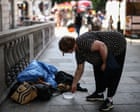
Prime Minister Andy Burnham has initiated a comprehensive national drive to eliminate rough sleepers from England's streets by Christmas, pledging an additional £100 million investment to combat street homelessness. The ambitious rough sleepers campaign represents a coordinated effort between central government and local authorities to provide immediate solutions for vulnerable individuals facing winter conditions.
Burnham emphasized that rough sleeping has become normalized in contemporary society, describing it as part of the urban landscape that society has grown accustomed to ignoring. This observation underscores the urgency behind the newly announced initiative, which draws parallels to the government's pandemic response strategies in terms of mobilization and resource allocation.
Prime Minister's Commitment to Ending Street Homelessness
The Prime Minister has committed to a Covid-style operational campaign designed to systematically address rough sleeping across English communities. In a published statement, Burnham asserted his determination not to abandon vulnerable individuals to sleeping rough during the approaching winter months, backing this commitment with the substantial £442 million investment package that encompasses both immediate relief and longer-term housing solutions.
The street homelessness UK crisis has reached proportions that demand urgent governmental intervention. By establishing clear targets and timelines, the rough sleepers campaign aims to transform the landscape of social provision for homeless individuals. The initiative requires all local authorities to develop comprehensive plans ensuring that every rough sleeper receives viable pathways toward permanent accommodation and support services.
Local Authority Engagement and Homelessness Initiative Framework
Burnham's appeal to local leaders represents a critical component of the broader homelessness initiative strategy. Each regional authority has been tasked with identifying rough sleepers in their jurisdiction and implementing tailored intervention programs. The coordinated approach acknowledges that addressing street homelessness requires local knowledge combined with centralized resources and strategic direction.
The funding allocation reflects governmental recognition that previous piecemeal approaches have proved insufficient. By concentrating resources and establishing unified objectives, the campaign addresses systemic failures in housing provision and social support infrastructure. The £100 million additional investment specifically targets emergency accommodation, wraparound support services, and transitional housing programs designed to move individuals from streets into stable living situations.
Stakeholder Response to the Rough Sleepers Campaign
Homelessness campaigning organizations have welcomed the government's commitment to tackling street homelessness, viewing the initiative as a significant policy shift. However, advocacy groups emphasize that while the rough sleepers campaign represents progress, substantially more comprehensive measures remain necessary to address homelessness comprehensively.
Campaigners highlight that short-term emergency interventions, while valuable, cannot sustainably resolve the underlying housing crisis. The Burnham housing program must be complemented by expanded affordable housing construction, reformed rental market regulations, and enhanced mental health and addiction support services. These organizations stress that preventing winter rough sleeping requires year-round commitment to preventing homelessness rather than seasonal responses.
Winter Rough Sleeping Prevention Strategy
The timing of the campaign ahead of Christmas acknowledges the particular vulnerability of rough sleepers during winter months. Exposure to cold weather increases health risks and mortality rates among homeless populations. The winter rough sleeping prevention component of the initiative prioritizes securing safe shelter, providing warming facilities, and ensuring access to essential services including healthcare and meals.
By establishing a Christmas deadline, the government creates accountability mechanisms and focuses attention on immediate outcomes. However, stakeholders recognize that sustainable solutions to rough sleeping extend beyond single-season interventions. The campaign's success will be measured not only by temporary placements but by the durability of housing arrangements and the effectiveness of support systems in preventing future street homelessness.
Conclusion: Moving Forward on Homelessness
The national drive announced by Burnham represents governmental acknowledgment that rough sleeping constitutes an unacceptable social condition requiring coordinated action. The rough sleepers campaign, backed by substantial financial investment and political commitment, aims to demonstrate that street homelessness can be substantially reduced through organized effort and adequate resourcing. Success depends on effective collaboration between central government, local authorities, housing providers, and support organizations working toward the shared objective of ensuring no individual sleeps rough on England's streets.