.
.
Tragic Loss Highlights Tower Block Safety Measures Deficiencies
An inquest examining the circumstances surrounding the death of a young child has brought tower block safety measures into sharp focus, raising critical questions about protective measures in residential buildings. The case has exposed potential gaps in safeguarding protocols that could have prevented this devastating tragedy from occurring.
Details of the Incident
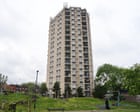
Aalim Ahmed, a five-year-old child with autism, fell from a 15th-floor kitchen window at a tower block located in Plaistow, east London. The incident occurred in the early morning hours of May 16, 2024, at approximately 6am. His father, Makail Ahmed, discovered the child's body shortly after the fall while the family was residing in temporary social housing accommodation.
The family had previously requested relocation from the tower block where the tragedy unfolded, according to testimony presented during the inquest proceedings. This crucial detail underscores the pre-existing concerns about the safety conditions within the residential unit that the household was occupying.
Safety Assessment Findings
During the formal inquest hearing, evidence was presented indicating that tower block safety measures could have been substantially enhanced prior to this incident. Experts and witnesses provided testimony suggesting that additional protective measures and safeguarding implementations were feasible and could have mitigated the risk of such a tragedy.
The inquest heard that multiple interventions could have been put in place to improve the overall security and safety within the residential environment. These potential measures represent standard protective practices that are commonly implemented in residential settings where vulnerable individuals, particularly young children or those with additional needs, reside.
Context of Vulnerability and Additional Needs
Aalim Ahmed's diagnosis of autism is a significant factor in understanding why enhanced tower block safety measures would have been particularly critical in this case. Children with autism spectrum disorder often require specialized environmental accommodations and heightened supervision protocols to ensure their wellbeing and prevent accidents.
The combination of living in temporary social housing on a high floor, combined with the child's specific support requirements, created a circumstance where robust tower block safety measures became essential rather than optional. The inquest examination revealed how standard protective implementations could have substantially altered the outcome of this family's experience.
Housing Authority Responsibilities
The proceedings highlighted the responsibilities of housing authorities in ensuring that temporary accommodation meets appropriate safety standards, especially when housing families with vulnerable members. The fact that the family had sought relocation suggests they had identified concerns about their living situation prior to the tragedy.
Housing providers and local authorities bear responsibility for conducting proper risk assessments in tower block environments, particularly when accommodating families with children. The inquest testimony emphasized that awareness of residents' specific needs should inform decision-making regarding appropriate accommodation placement.
Broader Implications for Residential Safety
This inquest outcome carries significance beyond the individual case, highlighting systemic considerations for residential safety standards across tower block accommodations. The examination of what tower block safety measures could have prevented this tragedy raises important questions about current protocols and whether they adequately protect vulnerable residents.
Window safety, in particular, emerged as a critical concern during the proceedings. First-floor and high-floor windows in residential units housing young children require specific protective measures, including restrictive devices, childproof locks, and barriers that prevent unauthorized opening beyond safe parameters.
Lessons for Housing Policy and Practice
The case demonstrates that comprehensive tower block safety measures must include environmental risk assessment, particularly regarding windows and access points in units housing families with young children or individuals with additional support needs. Proactive identification of hazards and implementation of protective measures represent standard best practices in residential safety.
Moving forward, housing authorities and residential facility managers should prioritize systematic evaluation of environmental risks specific to each household's composition and residents' individual requirements. The inquest findings suggest that such comprehensive approaches could effectively prevent similar tragedies in the future.
The investigation into Aalim Ahmed's death serves as a sobering reminder of the critical importance of maintaining robust tower block safety measures and ensuring that temporary housing arrangements meet rigorous protective standards, particularly when accommodating families with vulnerable members who require specialized environmental considerations.