 .
.
Colombia's Internal Conflict Takes Center Stage in Presidential Race
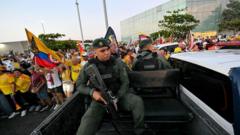
Colombia's escalating internal conflict has emerged as the defining factor shaping the nation's presidential election, with voters confronting two sharply contrasting visions for addressing the country's persistent violence. The violent crisis gripping the South American nation has intensified political divisions and forced candidates to articulate competing strategies for restoring security and peace.
Left-Wing Senator Proposes Dialogue with Armed Groups
A prominent left-wing senator has positioned himself as an advocate for negotiation-based approaches to Colombia's security challenges. This political figure champions dialogue initiatives with armed gangs operating across the country, arguing that military-centered responses have failed to produce sustainable peace. The senator's platform emphasizes understanding root causes of violence while pursuing diplomatic channels with non-state actors.
Supporters of this candidate contend that dialogue-focused strategies represent a pragmatic shift from decades of confrontation. They argue that engaging armed organizations in peace talks could reduce bloodshed and address underlying socioeconomic grievances fueling recruitment into criminal networks. The senator's proposals have resonated with voters seeking alternatives to traditional security-heavy governance models.
Trump-Backed Outsider Presents Alternative Vision
In contrast, an outsider candidate endorsed by former U.S. President Donald Trump offers a markedly different approach to Colombia's escalating violence crisis. This contender advocates for tougher stances against armed organizations and emphasizes law enforcement solutions to criminal activity.
The Trump-endorsed candidate's campaign centers on restoring order through enhanced security operations and strengthened institutional responses to gang violence. This political outsider challenges the assumption that negotiated settlements can effectively address Colombia's armed conflicts, instead promoting decisive action against organized crime networks.
The Violence Crisis Reshaping Electoral Dynamics
Colombia's internal conflict has fundamentally transformed the electoral landscape heading into this critical election cycle. Recent violence escalations have captured national attention and forced candidates to prioritize security policy discussions. Voters increasingly weight public safety considerations when evaluating competing proposals.
Gang violence across Colombian territory has intensified territorial disputes, leading to civilian casualties and displacing vulnerable populations. Armed organizations continue fragmenting into smaller factions, complicating security operations and creating new governance challenges. These developments have elevated security concerns throughout Colombian society.
Contrasting Philosophies Shape Campaign Narratives
The fundamental philosophical divide between candidates reflects broader international debates about conflict resolution approaches. The left-wing senator's emphasis on dialogue mirrors peace-building theories championed by various international organizations. Conversely, the Trump-backed outsider aligns with security-first ideologies prioritizing institutional strength and enforcement mechanisms.
Each candidate claims their approach better serves Colombian interests. Supporters of negotiation-based strategies emphasize civilian protection through reduced violence triggers. Those backing security-focused solutions highlight the importance of eliminating criminal organizations' operational capacity.
Electoral Significance and International Attention
This Colombian presidential election carries significance beyond national borders, with international observers monitoring how voters respond to these competing security philosophies. The election outcome will influence Colombia's trajectory regarding armed gang management, diplomatic initiatives, and hemispheric security partnerships.
Trump's endorsement of the outsider candidate has drawn attention from U.S. political circles and international media coverage. The senator's dialogue proposals have attracted support from human rights advocates and peace-building organizations worldwide.
Colombia's escalating internal conflict will ultimately determine which candidate resonates most effectively with voters concerned about security, economic stability, and democratic governance. The presidential election represents a crucial moment for the nation to chart its course through unprecedented challenges posed by persistent violence and organized crime activity.


