 .
.
Guinea Waste Dump Collapse: A Tragedy in Numbers
A devastating waste dump collapse in Guinea's capital has resulted in a significant loss of life, with authorities confirming that the incident has claimed 30 lives. The catastrophic failure of the massive rubbish accumulation at a major waste disposal facility has buried numerous residential homes, leaving families homeless and communities in shock over what officials describe as a preventable disaster stemming from years of poor waste management practices.
The Scene of Devastation
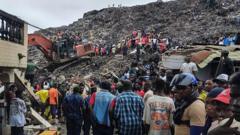
Emergency responders arrived at the waste dump collapse site to find an overwhelming landscape of destruction. The immense mound of accumulated refuse gave way without warning, cascading down onto adjacent residential areas where families were going about their daily lives. Government officials confirmed that the initial impact buried several homes completely beneath the avalanche of waste materials, making search and rescue operations extremely challenging and time-consuming.
Rescue and Recovery Efforts
Following the waste dump collapse, local authorities mobilized emergency services to begin extracting survivors from the wreckage. Rescue teams worked through difficult conditions, navigating treacherous piles of decomposing waste and unstable debris. The recovery operation revealed the scale of the disaster as more bodies were discovered in the days following the initial collapse, pushing the death toll higher with each passing hour.
Impact on Local Communities
The rubbish landfill incident has displaced hundreds of residents from their homes, many of whom had no insurance or savings to rebuild. Families lost not only their shelters but also their possessions, documents, and memories stored within. The psychological trauma experienced by survivors of the waste dump collapse continues to affect community members weeks after the event, with many experiencing nightmares and anxiety about future incidents.
Inadequate Infrastructure and Oversight
Investigations into the waste dump collapse have revealed systemic failures in the management and monitoring of the facility. The landfill had operated for decades without proper structural assessments or maintenance protocols. Government inspectors acknowledged that warning signs had been present for months prior to the collapse, yet insufficient resources and oversight allowed the situation to deteriorate unchecked, ultimately leading to the tragedy.
Environmental and Health Consequences
Beyond the immediate human toll, the waste dump collapse has created serious environmental and public health concerns. The breach released contaminants into surrounding soil and water sources, posing long-term health risks to residents in the area. Toxic materials that had been accumulating for years were suddenly exposed, creating hazardous conditions for rescue workers and local populations who depend on the compromised water supplies.
Contamination and Disease Risk
Medical professionals warn that the rubbish landfill situation has increased the risk of waterborne diseases and other illnesses among survivors and rescue workers. Exposure to decomposing organic matter and chemical waste can lead to respiratory infections, gastrointestinal illnesses, and skin conditions. Public health officials have initiated vaccination campaigns and distributed preventative medications to reduce disease transmission in affected areas.
Government Response and Accountability
Following the waste dump collapse, government officials announced an investigation into the management practices at the facility. Officials faced criticism for failing to implement safety measures despite earlier concerns raised by environmental groups and local residents. The waste dump collapse has prompted demands for accountability, with families of victims seeking compensation and structural reforms to prevent similar incidents from occurring at other facilities across the nation.
Policy Changes and Future Prevention
In response to the disaster, the government has committed to conducting comprehensive audits of all major landfills within the capital region. New regulations regarding rubbish landfill operations have been proposed, including mandatory structural inspections, strict capacity limits, and stricter oversight mechanisms. These measures aim to ensure that the waste dump collapse represents an isolated incident rather than a foreseeable recurrence of inadequate waste management practices.
International Support and Aid
Regional organizations and international humanitarian groups have provided assistance to victims of the waste dump collapse. Medical teams, emergency supplies, and temporary shelter materials have been mobilized to support affected communities. The rubbish landfill tragedy has drawn global attention to the dangers of unregulated waste disposal in developing regions, sparking discussions about sustainable and safer waste management solutions.
Remembering the Victims
Community leaders have organized memorial services to honor the thirty individuals who lost their lives in the waste dump collapse. Survivors continue to grapple with loss and displacement, relying on government assistance and charitable organizations for support as they attempt to rebuild their lives. The incident serves as a stark reminder of the importance of maintaining proper infrastructure and regulatory oversight to protect vulnerable communities from environmental hazards.


