 .
.
Understanding Food Purchase Tracking and Its Health Impact
Food purchase tracking has emerged as a significant tool in modern health management, with millions of consumers utilizing various methods to monitor their dietary consumption. The question of whether food purchase tracking genuinely contributes to improved health outcomes remains a critical discussion among nutritionists and wellness experts. This comprehensive exploration examines the relationship between tracking food purchases and developing sustainable, healthy eating patterns.
What Is Food Purchase Tracking?
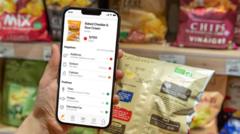
Food purchase tracking refers to the systematic monitoring of grocery and food purchases through digital applications, spreadsheets, or physical logs. This practice allows individuals to maintain awareness of their food spending patterns and the types of products they regularly consume. Unlike simple calorie counting, food purchase tracking encompasses a broader perspective that includes nutritional value, cost-effectiveness, and consumption frequency. Many consumers have adopted food purchase tracking as part of their wellness routine, finding value in understanding their shopping behaviors and dietary patterns.
How Food Purchase Tracking Influences Eating Habits
Research suggests that implementing food purchase tracking can create positive psychological effects on dietary choices. When individuals become conscious of their purchasing patterns through food purchase tracking applications, they often make more deliberate selections at the grocery store. This heightened awareness can lead to reduced impulse buying of processed foods and increased selection of whole, nutrient-dense ingredients. The act of recording purchases creates accountability, which many health professionals recognize as a catalyst for behavioral change.
Psychological Benefits of Monitoring Food Choices
The psychological dimension of food purchase tracking cannot be overlooked. When consumers systematically track their food purchases, they develop a clearer picture of their dietary composition. This visibility often prompts reflective thinking about nutritional choices and their long-term health implications. Studies indicate that individuals who engage in food purchase tracking demonstrate greater mindfulness during shopping experiences, leading to thoughtful decision-making rather than automatic purchasing habits.
The Financial Aspect of Food Purchase Tracking
Beyond health considerations, food purchase tracking offers significant financial advantages. By monitoring spending patterns, individuals can identify opportunities to reduce grocery costs while maintaining nutritional quality. This economic consciousness frequently translates into healthier choices, as processed and convenience foods often carry premium price tags. Food purchase tracking enables consumers to compare unit prices and select more economical options that are simultaneously more nutritious, creating a synergistic benefit for both health and budget management.
Challenges and Limitations of Food Tracking Applications
While food purchase tracking presents numerous benefits, it also faces considerable limitations. Time investment represents a primary barrier, as consistently recording purchases demands regular engagement and documentation. Some individuals find the process burdensome, particularly those with busy lifestyles. Additionally, not all food tracking systems provide detailed nutritional information, limiting their effectiveness for comprehensive dietary assessment. The accuracy of food purchase tracking depends heavily on user consistency and the quality of data entry.
Potential Drawbacks for Sensitive Individuals
For certain populations, intensive food purchase tracking can potentially develop into unhealthy obsessive behaviors. Individuals with histories of eating disorders should approach detailed food purchase tracking cautiously, as the practice might inadvertently trigger or reinforce problematic patterns. Mental health professionals often recommend a balanced approach to food purchase tracking that prioritizes overall wellbeing over meticulous documentation.
Evidence-Based Outcomes From Food Tracking Studies
Scientific research examining food purchase tracking reveals mixed but generally positive results. Multiple studies demonstrate that individuals employing food purchase tracking systems make measurably healthier dietary selections compared to those without tracking mechanisms. The correlation strengthens when food purchase tracking is combined with professional nutritional guidance or structured wellness programs. However, sustained benefits depend on maintaining consistent tracking practices over extended periods.
Maximizing Benefits Through Strategic Food Purchase Tracking
To optimize results from food purchase tracking, experts recommend integrating the practice with clear health objectives and regular progress evaluation. Setting specific, measurable goals enhances the effectiveness of food purchase tracking by providing direction and motivation. Combining food purchase tracking with meal planning strategies amplifies positive outcomes, as individuals align their purchases with predetermined nutritional targets. Professional consultation with registered dietitians can personalize food purchase tracking approaches to individual health conditions and preferences.
Conclusion: Is Food Purchase Tracking Right for You?
Food purchase tracking represents a valuable tool for individuals seeking to enhance their dietary habits and develop healthier eating patterns. When implemented thoughtfully and sustainably, food purchase tracking can generate meaningful improvements in nutrition quality and purchasing efficiency. However, the suitability of food purchase tracking varies based on individual circumstances, lifestyle factors, and psychological responses to monitoring practices. The most effective approach involves evaluating personal goals and consulting healthcare professionals to determine whether food purchase tracking aligns with individual health objectives and psychological comfort levels.


