 .
.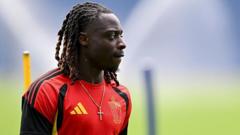
Doku Faces Mounting Criticism Over World Cup Camp Departure
Belgian winger Jeremy Doku has drawn considerable criticism following his announcement regarding plans to temporarily leave his national team's World Cup camp. The Doku World Cup controversy centers on his desire to return home during the tournament to support his wife during the birth of their first child, a decision that has sparked intense debate among fans, analysts, and football commentators worldwide.
The professional footballer's statement about wanting to be present for this significant personal milestone has generated mixed reactions within the sports community. While some observers emphasize the importance of family values and parental responsibility, others have questioned the timing and implications of such an absence during an international tournament.
The Nature of Doku's Personal Circumstances
Jeremy Doku's situation involves a deeply personal matter: the imminent arrival of his first child with his wife. The winger's intention to be physically present at the hospital during labor represents a modern approach to balancing professional obligations with family responsibilities. However, this decision has collided with traditional expectations surrounding World Cup participation and team commitment.
The Doku World Cup controversy reflects broader societal discussions about paternity, work-life balance, and the responsibilities athletes face when representing their nations on the global stage. His case raises important questions about whether international football competitions should accommodate players' family emergencies and personal life events.
Critical Reactions and Public Discourse
Critics of Doku's plan have argued that World Cup participation represents a once-in-a-lifetime opportunity that demands complete dedication and presence. Some commentators have expressed concern about the precedent such decisions might establish within professional football, suggesting that allowing players to leave during tournaments could undermine team cohesion and competitive performance.
Conversely, supporters of the footballer's position contend that the birth of a child transcends professional commitments and that being absent for such a momentous occasion could have lasting personal and family consequences. This perspective emphasizes human values over sporting achievement, arguing that no tournament should supersede the birth of one's child.
Belgium's Team Response and Management Position
Belgian football authorities have had to navigate this sensitive situation carefully, balancing player welfare and family rights against competitive requirements. The national team's management must consider how to handle potential absences while maintaining squad stability and tactical coherence during World Cup matches.
The decision ultimately reflects how modern professional football grapples with evolving social norms regarding parental involvement and family priorities. Jeremy Doku's situation demonstrates that contemporary athletes increasingly expect their employers and sporting organizations to recognize and accommodate significant personal life events.
Broader Implications for International Football
The Doku World Cup controversy extends beyond one player's personal circumstances to encompass larger questions about athlete welfare in professional sports. It raises considerations about whether international governing bodies should establish clearer policies regarding paternity leave, family emergencies, and compassionate grounds for temporary absences from tournaments.
This debate also highlights the tension between traditional sporting culture, which often demands absolute commitment and sacrifice, and contemporary values that prioritize mental health, personal relationships, and life balance. As professional football continues to evolve, cases like Doku's may influence future policies affecting how players balance their roles as athletes with their responsibilities as family members.
Looking Forward: Potential Policy Considerations
The incident involving Jeremy Doku and his desire to attend his wife's childbirth could prompt international football organizations to reconsider their approaches to player welfare and family situations. Clear guidelines addressing paternity leave, parental involvement in childbirth, and similar family emergencies might prevent future controversies and provide clarity for both players and governing bodies.
As discussions continue regarding the balance between professional obligations and personal life, Jeremy Doku's situation serves as a catalyst for important conversations within the global football community about recognizing and respecting the human dimension of professional sports.


