 .
.
Israeli Military Operations Target Southern Lebanon
Israeli military strikes in southern Lebanon have resulted in eleven reported deaths, according to local authorities and emergency officials in the region. The Israeli military operations, which targeted what the military described as Hezbollah terror infrastructure, mark an escalation in tensions between Israeli forces and armed groups operating from Lebanese territory.
The Israeli military confirmed it launched the operations in response to what it characterized as prior hostile actions directed against its soldiers. Military spokespersons stated that the strikes were a defensive measure taken following incidents involving personnel stationed near the Israeli-Lebanese border region.
Hezbollah Infrastructure as Primary Target
According to Israeli military statements, the primary focus of the southern Lebanon strikes centered on what military officials identified as Hezbollah terror infrastructure. The military released details suggesting that multiple sites associated with the organization were identified and targeted during the operation. Israeli defense officials maintained that the strikes were conducted with precision and aimed specifically at military installations and operational facilities.
The operation reflects ongoing security concerns that Israeli military leadership has consistently raised regarding militant activities emanating from Lebanese territory. Military analysts note that such operations are part of a broader pattern of Israeli security responses to perceived threats from armed groups in the region.
Casualties and Impact on Civilians
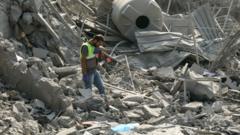
Emergency services in southern Lebanon reported that eleven individuals were killed as a result of the military strikes. Local medical facilities received multiple casualties, with hospitals in the region treating wounded individuals following the operations. The exact circumstances surrounding each death remain under investigation, though authorities indicated that several fatalities occurred in areas where the strikes were concentrated.
Lebanese officials expressed concern about civilian impact from the military operations, while Israeli military maintained that all targeting decisions were made according to international law and aimed at military objectives rather than civilian populations.
Regional Security Tensions
The Israeli military strikes in southern Lebanon occur amid longstanding regional tensions and periodic exchanges of military action between Israeli forces and armed organizations based in Lebanese territory. Security experts note that such incidents underscore the volatile nature of the Israeli-Lebanese border region and the persistent security challenges facing both nations.
Israeli military leadership has consistently warned about security threats originating from southern Lebanon, citing the presence of armed groups and their weapons caches as justification for defensive operations. The military's approach has included periodic surveillance missions and targeted operations designed to neutralize perceived threats.
International Context and Military Response
The scope and nature of Israeli military strikes in southern Lebanon reflect broader patterns of Israeli security policy in the region. Military analysts indicate that such operations typically follow specific intelligence assessments regarding militant activity and potential threats to Israeli personnel and infrastructure.
Defense officials from Israel emphasized that the operations were carefully planned and executed in response to concrete security concerns. The military indicated that commanders reviewed intelligence thoroughly before authorizing the strikes, a process designed to ensure that targets met established criteria for military action.
Ongoing Monitoring and Future Operations
Following the strikes, Israeli military units maintained heightened alert status in the border region. Military sources suggested that ongoing surveillance and monitoring would continue to track any developments that might pose security risks to Israeli forces stationed in the area.
The incident highlights the persistent security challenges that characterize the Israel-Lebanon border and the willingness of Israeli military leadership to conduct operations when military commanders assess that security threats warrant such action. Future security dynamics in the region may depend on developments in the broader geopolitical situation and the response from Lebanese authorities and armed groups to Israeli military operations.


