 .
.
Former Olympian Faces Vandalism Allegations at Iconic Monument
A former Olympic competitor found himself at the center of a Washington Reflecting Pool vandalism investigation following his recent arrest. The athlete has vehemently denied allegations related to the Washington Reflecting Pool incident, maintaining that his actions were entirely innocent and motivated solely by curiosity regarding freshly applied paint at the location.
The incident has drawn significant attention from local authorities and the general public, raising questions about security measures at one of the nation's most recognizable landmarks. The Washington Reflecting Pool, situated at the heart of the National Mall, remains a crucial symbol of American heritage and receives thousands of visitors annually.
The Disputed Incident at the Reflecting Pool
According to the accused former athlete, the alleged interaction with the Washington Reflecting Pool's surface involved nothing more than an exploratory touch of newly painted areas. Davey Hearn has consistently maintained his position that he did not engage in any destructive behavior or intentional removal of materials from the site.
The distinction between curiosity-driven contact and deliberate vandalism has become the central point of contention in this case. Investigators have scrutinized the nature of the contact, attempting to determine whether any actual damage or alteration of the reflecting pool's surfaces occurred as a result of the interaction.
Understanding the Accusations
Vandalism charges at historical and commemorative sites carry serious legal implications. The Washington Reflecting Pool, which underwent recent maintenance and restoration work, had been freshly painted prior to the incident in question. This timing has become particularly relevant to the investigation, as newly applied paint can be susceptible to accidental contact and disturbance.
The investigation team has worked to establish a clear timeline of events and determine the actual extent of any potential damage. The allegation centers on whether the former Olympic athlete's actions constituted willful destruction or modification of public property, or whether they amounted to innocent contact with wet or freshly treated surfaces.
The Suspect's Defense and Position
Davey Hearn's legal team emphasizes that their client was engaging in ordinary curiosity about the renovation and restoration efforts taking place at the historic site. The former athlete argues that touching paint or inspecting work does not constitute criminal vandalism, particularly when no permanent damage or alteration resulted from the contact.
The case raises broader questions about how authorities distinguish between innocent exploration and criminal intent when handling allegations at public monuments. Many similar incidents at tourist destinations and historical sites involve visitors who touch, examine, or interact with surfaces without any intention to cause harm or deface property.
Historical Significance and Security Concerns
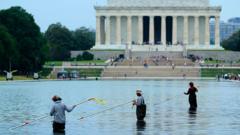
The Washington Reflecting Pool serves as one of the most visited and photographed locations in the United States. The monument's prominence makes it a focus of security measures and protective protocols designed to preserve its integrity for future generations. Recent restoration efforts underscore the ongoing commitment to maintaining this architectural treasure.
The incident has prompted discussions about balancing public access to iconic landmarks with the need for appropriate security and maintenance protection. Site officials must contend with managing visitor interactions while preserving the physical condition of the reflecting pool and its surrounding infrastructure.
Legal Proceedings and Investigation Status
As the case progresses through legal channels, authorities continue their investigation into the specifics of what transpired at the Washington Reflecting Pool site. The former Olympian's arrest has generated significant media coverage, bringing renewed attention to security practices at national monuments and historical sites.
The outcome of this investigation could establish important precedents regarding the distinction between incidental contact with freshly painted or restored surfaces and intentional vandalism. Legal experts following the case note that the distinction between innocent behavior and criminal conduct will be crucial in determining the appropriate resolution.
The situation underscores the complex relationship between public monuments, visitor access, and property protection in the modern era. As communities work to preserve historical landmarks while remaining welcoming to tourists and residents, incidents like the Washington Reflecting Pool case help inform ongoing conversations about best practices in site management and security.


