.
.
French Maritime Forces Intercept 10 Small Boats in Channel Since Spring
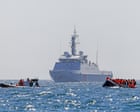
French maritime forces have actively intercepted and halted small boats crossing the Channel on 10 separate occasions since the arrival of spring, according to official statements released on Friday. These interventions by French maritime forces represent a significant operational effort to manage irregular migration patterns in the busy waterway separating France and the United Kingdom.
Challenging Political Narratives
The disclosure of these maritime enforcement actions directly contradicts assertions made by Conservative and Reform party officials, who have repeatedly claimed that French authorities were declining to engage in enforcement operations against small boat crossings. The operational data now publicly available reveals a more active posture from French maritime agencies than previously acknowledged in political discourse.
Advanced Intervention Tactics Deployed
Maritime prefect officers from France have been employing sophisticated "intervention tactics" to address the challenge of irregular maritime crossings. These methods include boarding vessels while they remain at sea and actively controlling their movement. The tactical approach aims to prevent crossings from reaching completion while asylum seekers are still within French territorial waters or international waters under French patrol responsibilities.
The intervention strategies deployed represent coordinated maritime enforcement operations designed to intercept vessels before they can transit the entire Channel. By boarding and controlling vessels at sea, French maritime forces have managed to return asylum seekers back to French territory, effectively preventing their arrival on British shores.
Details of Interception Operations
The 10 documented instances of halted small boats constitute a substantial enforcement effort over the spring months. Each interception involved maritime prefect personnel taking direct action to control vessels and redirect them. This hands-on approach contrasts sharply with suggestions that French authorities were passively monitoring crossings without intervention.
The nature of these operations indicates sustained engagement with the maritime challenge, including the deployment of personnel with specific training and equipment for boarding and controlling vessels in open water. Such operations carry inherent risks and require significant operational resources from French maritime authorities.
Repatriation of Asylum Seekers
A critical component of these French maritime forces interventions has been the systematic repatriation of individuals found aboard intercepted vessels. Asylum seekers recovered during these operations have been returned to France rather than being allowed to continue their journey toward British territory. This policy approach represents an attempt to deter future crossing attempts by ensuring that those intercepted face immediate return to departure points.
Political Context and Criticism
Conservative and Reform party representatives have faced questions about their assertions regarding French engagement levels. The newly disclosed information about active French maritime forces operations suggests that previous political claims may have underestimated the level of enforcement activity occurring in the Channel. This creates a significant factual correction to the public narrative surrounding cross-Channel cooperation on migration issues.
The documentation of 10 interceptions provides concrete evidence of French participation in enforcement operations, undermining arguments that France was unwilling or unable to intervene in small boat activities. Political commentators have noted that this disclosure may require reassessment of earlier statements made by opposition parties regarding British-French cooperation on maritime security.
Operational Significance
The successful halting of small boats on 10 occasions represents meaningful maritime enforcement activity. Each interception requires coordination, timing, and deployment of trained personnel. The consistency of these operations since spring indicates that French maritime authorities have maintained a sustained commitment to enforcement activities, despite any suggestions to the contrary in political discussions.
These interventions demonstrate that French maritime forces possess the capability and willingness to engage in active enforcement operations. The deployment of intervention tactics at sea represents a proactive approach to managing irregular migration patterns within the Channel.
Broader Maritime Enforcement Context
The 10 documented interceptions by French maritime forces reflect broader European efforts to manage irregular maritime migration. France's enforcement activities contribute to regional cooperation frameworks aimed at preventing unauthorized crossings. The disclosure of these operations provides transparency regarding actual enforcement levels and resource deployment.
Maritime enforcement in the Channel involves coordination between multiple agencies and countries. French maritime forces operations play a crucial role in these coordinated efforts, with the interception of small boats representing just one aspect of comprehensive maritime security operations in this heavily trafficked waterway.