 .
.
Gaza Airstrikes Result in Multiple Deaths
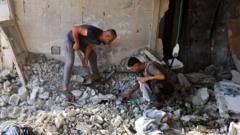
Gaza airstrikes have resulted in at least 13 fatalities following recent military operations conducted by Israeli forces across several Palestinian territories. The strikes targeted locations in Gaza City, Khan Younis, and Deir el-Balah, marking a significant escalation in regional tensions despite ongoing diplomatic negotiations regarding Hamas disarmament agreements.
According to Israeli military statements, the Gaza airstrikes were precision operations aimed at eliminating military operatives believed to be involved in hostile activities. The Israeli Defense Forces maintained that all targets selected for these strikes were military in nature, with commanders asserting that extensive precautions were taken to minimize civilian casualties during the operations.
Geographic Scope of Military Operations
The Gaza airstrikes were dispersed across three major population centers within the Gaza Strip. Gaza City, the largest urban area in the territory, experienced significant bombardment, along with Khan Younis in the southern region and Deir el-Balah in the central area. This geographic distribution suggests a coordinated military campaign targeting multiple locations simultaneously.
Khan Younis Impact
Khan Younis, a major city in southern Gaza, sustained considerable damage from the Gaza airstrikes. Local sources reported extensive structural damage to residential and commercial buildings in the vicinity of targeted areas. The strikes in this region were particularly intense, contributing substantially to the overall casualty figures from the military operations.
Deir el-Balah and Gaza City Operations
Deir el-Balah in central Gaza and Gaza City in the north also experienced significant military action. These strikes followed a pattern of targeting specific locations identified by Israeli intelligence as military staging areas. The combination of strikes across these three distinct locations demonstrated the scope and coordination of the military response.
Hamas Disarmament Deal Context
The Gaza airstrikes occurred amid negotiations concerning a broader Hamas disarmament arrangement. This agreement framework had been under discussion as part of efforts to stabilize the region and reduce militant capabilities. The timing of these military operations created considerable controversy regarding the commitment to peaceful resolution mechanisms and the sincerity of disarmament negotiations.
Casualty Assessment and Humanitarian Concerns
At least 13 individuals lost their lives in the Gaza airstrikes, though casualty assessments remained subject to ongoing verification. Medical facilities in the affected areas reported receiving multiple wounded individuals requiring emergency treatment. The humanitarian impact extended beyond immediate fatalities, as infrastructure damage disrupted essential services in the targeted communities.
International observers and humanitarian organizations expressed concern regarding the conduct of the Gaza airstrikes and their civilian implications. Questions arose about the targeting methodology and whether military objectives could have been achieved with reduced impact on civilian infrastructure and populations.
Military Justification and Operational Claims
Israeli military authorities maintained that the Gaza airstrikes were conducted in response to specific intelligence regarding active military threats. Defense officials stated that the targets were carefully selected based on verified information about militant operations and weapons caches. The military emphasized that operational security and civilian protection protocols were integrated into the planning and execution of the strikes.
Intelligence and Target Selection
Military spokespersons explained that the Gaza airstrikes targeted locations where military operatives were believed to be coordinating hostile activities. Intelligence assessments had identified these sites as operational centers for militant activities. The military asserted that multiple verification steps preceded each strike to confirm target legitimacy before engagement.
Regional and International Response
The Gaza airstrikes prompted immediate diplomatic responses from regional and international actors. Various governments issued statements addressing the military operations and their implications for ongoing peace efforts. The strikes injected new complexity into negotiations surrounding the Hamas disarmament accord, raising questions about parallel military and diplomatic tracks.
Ongoing Developments and Future Implications
The situation resulting from the Gaza airstrikes remained fluid as investigations into specific incidents continued. Medical authorities worked to treat injured individuals and assess the full extent of casualties. Meanwhile, diplomatic channels remained active as representatives attempted to advance disarmament discussions despite the recent military escalation.
The Gaza airstrikes demonstrated the challenging environment in which peace negotiations proceeded, with military operations continuing even as diplomatic efforts advanced. Future developments would likely depend on how both parties addressed the incidents and whether mechanisms existed for managing military operations alongside disarmament commitments.


