 .
.
Hamas Disarmament Plan: A Complex Path Forward for Gaza
A groundbreaking Hamas disarmament plan has emerged as a potential turning point in the ongoing Gaza crisis, presenting both unprecedented opportunities and formidable challenges for regional stability. The initiative aims to address fundamental security concerns while navigating the intricate landscape of Middle Eastern geopolitics. Although the Hamas disarmament plan faces considerable obstacles rooted in decades of conflict, it represents one of the most significant diplomatic developments in recent years for the troubled territory.
The Harsh Realities Complicating Implementation
Multiple interconnected factors threaten to undermine any comprehensive agreement regarding weapons reduction and organizational restructuring. The devastating human toll cannot be overlooked—thousands of casualties have deepened existing grievances and eroded trust among all parties involved. These losses create an emotional and political environment where compromise becomes exceptionally difficult to achieve and maintain.
Political Complexity and Power Dynamics
The political landscape surrounding Gaza remains fractured and deeply polarized. Various factions within Palestinian leadership hold competing visions for the territory's future governance structure. International actors bring their own strategic interests to the negotiating table, further complicating efforts toward consensus. These divergent agendas make it challenging to establish common ground on fundamental issues such as security arrangements, territorial integrity, and long-term governance frameworks.
Military Infrastructure and Trust Deficits
The extensive destruction throughout Gaza has created unprecedented logistical challenges for any disarmament initiative. Underground networks, dispersed weapons caches, and entrenched military structures cannot be dismantled overnight or through conventional verification mechanisms. Perhaps more critically, decades of broken agreements and failed negotiations have created a zero-trust environment where each party views the other with deep suspicion. Establishing credible verification protocols remains nearly impossible without robust international oversight and guarantee mechanisms.
Widespread Infrastructure Devastation
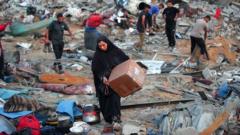
The physical destruction across Gaza represents one of the most visible consequences of prolonged conflict. Neighborhoods have been reduced to rubble, essential services have been compromised, and civilian infrastructure lies in ruins. Rebuilding these devastated areas demands enormous financial resources, technical expertise, and sustained international commitment. This reconstruction burden adds another layer of complexity to peace negotiations, as displaced populations demand immediate humanitarian assistance while politicians grapple with long-term development strategies.
Historical Precedents and Lessons Learned
Previous attempts at disarmament and peace-building in conflict zones offer cautionary tales about implementation challenges. Successful models typically require sustained international monitoring, graduated confidence-building measures, and clear incentive structures for compliance. The unique circumstances in Gaza—including its dense population, limited territorial extent, and the presence of multiple armed groups—create conditions that distinguish this situation from previous peacekeeping successes.
The Element of Hope Within Adversity
Despite the formidable obstacles outlined above, observers recognize that this Hamas disarmament plan represents a rare diplomatic opening. The very fact that such discussions have moved from theoretical proposals to concrete planning suggests a shift in regional calculations and international pressure. Stakeholders appear willing, at least rhetorically, to consider pathways toward reduced violence and institutionalized security mechanisms.
The plan's emergence reflects growing recognition that indefinite armed struggle has exhausted all parties involved. Economic collapse, humanitarian catastrophe, and generational trauma have created conditions where previously intransigent actors might reconsider foundational assumptions. This psychological and practical pivot, however fragile, offers opportunities for structured dialogue that could gradually rebuild trust and establish working relationships among former adversaries.
International Role and Strategic Support
Successful implementation of any Hamas disarmament initiative will depend heavily on robust international involvement. Guarantor nations must be willing to commit personnel, financial resources, and political capital to monitoring and verification processes. Regional powers, particularly those with influence over key actors, need to align their strategic interests with peaceful resolution objectives. Without such comprehensive external support, internal parties may lack sufficient confidence to implement vulnerable compromises.
Moving Forward: Prerequisites for Success
Experts identify several critical elements necessary for transforming the Hamas disarmament plan from theoretical framework into practical reality. These include transparent verification mechanisms, graduated confidence-building exercises, humanitarian assistance programs, and long-term development investments. Additionally, all parties must acknowledge that security concerns require mutual satisfaction—unilateral advantage-seeking approaches have repeatedly failed to produce lasting settlements.
The path forward remains fraught with danger, yet the emergence of this disarmament initiative suggests that even in Gaza's darkest hours, possibilities for constructive change persist. Success will require unprecedented cooperation, sustained international commitment, and genuine willingness from all parties to embrace compromise over continued conflict.


