.
.
Germany's Shift in Energy Strategy
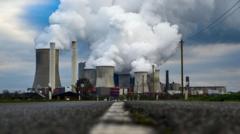
Germany coal power generation is experiencing renewed attention as policymakers grapple with unprecedented natural gas price increases across Europe. The nation, which had committed to phasing out coal-fired electricity production, is now reconsidering its long-term energy objectives in light of the current economic pressures affecting the continent's power sector.
The dramatic surge in natural gas costs has fundamentally altered the cost-benefit analysis that shaped Germany's original renewable energy timeline. Officials are weighing the benefits of maintaining certain coal facilities operational beyond their scheduled closure dates, a decision that contradicts years of environmental commitments and climate initiatives.
The Natural Gas Price Crisis
Energy markets across Europe have experienced extraordinary volatility, with natural gas prices reaching historically elevated levels. This price shock has reverberated through industrial sectors and households alike, creating pressure on governments to stabilize energy supplies and manage expenses.
The cost advantage of coal-generated electricity has become increasingly apparent when compared to liquefied natural gas imports and pipeline supplies. Economic calculations that previously favored renewable transition now present a more complex picture, forcing energy planners to reconsider infrastructure decisions made during periods of relative price stability.
Germany's Original Coal Phase-Out Commitment
Germany had established an ambitious timeline for eliminating coal from its electricity generation portfolio. The country pledged to cease coal operations and transition entirely toward renewable sources like wind and solar energy, positioning itself as a European leader in climate action.
This strategic commitment reflected decades of environmental policy and represented a significant financial and technological investment. Coal plants were scheduled for systematic decommissioning as renewable capacity expanded and alternative energy sources matured.
Implications for Energy Policy
The potential reversal of Germany's coal phase-out represents a critical juncture for European energy independence and climate objectives. The situation illustrates how external economic shocks can reshape established policy frameworks and force difficult decisions between environmental goals and immediate economic needs.
Germany coal power reconsideration highlights the interdependencies within Europe's energy infrastructure and the vulnerability of transition strategies to market disruptions. The scenario demonstrates how supply chain vulnerabilities and geopolitical tensions can override carefully planned technological transitions.
Looking Forward
Energy experts are analyzing multiple scenarios for Germany's power generation mix. Some analysts suggest temporary coal extensions could provide bridge capacity while renewable infrastructure expands. Others argue that accelerated renewable investment remains the most sustainable long-term solution despite current price pressures.
The decisions Germany makes regarding coal power will have significant ramifications for European climate commitments and industrial competitiveness. Policymakers must balance immediate economic concerns with long-term sustainability objectives as they navigate this complex energy challenge.