.
.
Mayor's Plan to Transform Soho Outdoor Dining Landscape
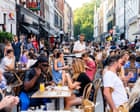
London's Mayor Sadiq Khan is set to implement new regulatory powers to advance outdoor dining London expansion in Soho, moving forward despite significant resistance from Westminster City Council. The administration has signalled its intention to progress with the ambitious initiative that will reshape how the capital's hospitality venues operate during warmer seasons, fundamentally altering the street-level experience in one of the city's most iconic entertainment hubs.
Council Opposition and Government Response
Westminster City Council has declined to participate in the voluntary seasonal pedestrianisation programme being rolled out across London neighbourhoods this summer. This decision has prompted the mayor's office to explore alternative mechanisms to introduce al fresco dining scheme infrastructure in the district. The standoff represents a clash between local governance preferences and citywide urban planning objectives, with Khan's administration determined to advance the initiative regardless of council reluctance.
Implementation Timeline for 2027
Beginning in 2027, restaurants throughout Soho will gain expanded permissions to position outdoor seating arrangements during summer months, fundamentally changing the streetscape and pedestrian experience. This expansion of London pedestrianisation initiatives marks a significant departure from previous restrictions that have governed outdoor hospitality in the area. The timeline allows venues adequate notice to prepare infrastructure modifications and operational adjustments required for seasonal transformation.
Background to the Pedestrianisation Initiative
Khan's administration has championed the seasonal outdoor seating concept as a cornerstone of post-pandemic urban recovery and quality-of-life improvements across London. The scheme aims to boost hospitality sector competitiveness, enhance street vibrancy, and create more attractive public spaces for residents and visitors alike. The pedestrianisation programme represents a shift toward European-style urban management, prioritising pedestrian comfort and commercial vitality in entertainment districts.
Historical Context of Soho's Outdoor Dining Debate
The proposed expansion of Sadiq Khan Soho dining arrangements concludes a protracted disagreement that has defined the district's regulatory landscape for years. Previous administrations maintained restrictive policies regarding outdoor seating, citing concerns about street congestion, noise management, and pedestrian flow. However, contemporary urban planning philosophy and post-pandemic recovery strategies have shifted perspectives toward embracing managed outdoor hospitality as essential infrastructure for vibrant urban centres.
Mayoral Powers and Regulatory Framework
Khan's newly acquired powers enable direct intervention in pedestrianisation decisions, effectively circumventing local council objections where citywide benefits justify such action. This regulatory evolution reflects changing governance dynamics and the prioritisation of London's competitive positioning against international destinations. The mayor's willingness to exercise these powers demonstrates commitment to comprehensive urban revitalisation strategies that transcend traditional jurisdictional boundaries.
Expected Outcomes and Community Impact
Implementation of expanded outdoor dining London permissions in Soho should generate substantial economic benefits for hospitality operators, particularly restaurants and bars that have struggled to compete on limited indoor capacity. Enhanced streetscapes featuring seasonal seating arrangements typically increase foot traffic, extend dining seasons, and create more dynamic public environments that appeal to diverse demographics. Local businesses anticipate improved revenue potential through extended service opportunities during favourable weather periods.
Future Expansion Across London
The Soho initiative represents a broader metropolitan strategy to normalise seasonal pedestrianisation across London's commercial districts. Additional neighbourhoods are expected to follow similar implementation pathways, creating consistency in hospitality regulations while respecting local characteristics and infrastructural constraints. This systematic approach aims to establish London as a premier destination for outdoor urban experiences comparable to leading European cities.