 .
.
Carrier Deployment Announced to Address USS Lincoln Operational Challenges
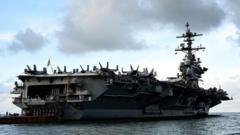
A major naval carrier is currently navigating toward deployment zones to assume operational responsibilities previously held by USS Lincoln, following significant reports regarding equipment malfunctions and crew welfare concerns aboard the vessel. This USS Lincoln relief carrier initiative represents a critical response to documented infrastructure problems affecting thousands of naval personnel stationed on the aging warship.
Reported Conditions Aboard USS Lincoln
According to military personnel accounts, crew members serving on USS Lincoln have experienced substantial difficulties related to basic onboard amenities and vessel systems. The reported complications include widespread food supply disruptions affecting meal services, sanitation infrastructure breakdowns including non-functional plumbing systems, and general maintenance deterioration across compartments housing crew quarters.
These operational deficiencies have reportedly impacted morale significantly, with some sailors expressing extreme distress about their working and living conditions. The accumulated stress from these circumstances has raised serious concerns among naval leadership regarding crew welfare, retention, and overall operational readiness of the vessel.
Scope of Personnel Affected
USS Lincoln operates with a complement of several thousand sailors who maintain round-the-clock operations across the enormous vessel. The infrastructure failures described have potentially affected the entire crew complement, creating widespread disruption to daily routines, nutritional standards, and sanitation protocols essential for maintaining fleet readiness and personnel morale.
Relief Vessel Details and Timeline
The approaching carrier designated to provide USS Lincoln relief operations is being positioned to assume primary mission responsibilities, allowing affected personnel to receive proper support and enabling comprehensive repairs of identified systems. Naval command has prioritized this transition to restore operational capacity and address persistent crew concerns that have accumulated during the Lincoln's extended deployment.
Naval Infrastructure and Maintenance Challenges
This situation reflects broader challenges within the naval fleet regarding aging vessel maintenance and infrastructure upgrade requirements. Carriers of USS Lincoln's class, while still operationally significant, require increasingly intensive maintenance protocols to maintain functionality standards expected of frontline naval assets.
The USS Lincoln relief operation underscores the importance of preventive maintenance schedules and timely infrastructure investments necessary for sustaining naval readiness. Military planners continue evaluating how to balance operational commitments with essential vessel maintenance requirements across the broader fleet.
Crew Welfare and Retention Implications
Naval leadership recognizes that crew satisfaction directly correlates with operational effectiveness and personnel retention rates. The documented difficulties aboard USS Lincoln have prompted renewed examination of how living conditions aboard vessels impact recruitment and retention efforts within competitive military labor markets.
Operational Continuity and Fleet Readiness
The strategic positioning of a replacement carrier demonstrates the navy's commitment to maintaining continuous operational presence in designated theaters. Despite USS Lincoln's documented challenges, the transition plan ensures mission continuity while addressing systemic problems requiring extended maintenance procedures.
This USS Lincoln relief carrier deployment represents standard naval operations adapted to address extraordinary circumstances. The coordinated handoff between vessels allows the affected crew to receive proper support while maintaining strategic presence and operational readiness across global naval operations.


