.
.
Coroner's Finding on Nobby Stiles Brain Condition
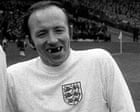
The renowned England footballer and World Cup champion Nobby Stiles succumbed to a brain condition directly linked to the cumulative effects of repeatedly heading a football throughout his professional career. This determination was officially established by a coroner's investigation, marking a significant moment in recognizing occupational health hazards within professional sports. The Nobby Stiles brain condition case represents a watershed moment in understanding how football-related practices can have long-term neurological consequences.
Stiles, the combative and resilient midfielder who earned recognition as a cornerstone of England's triumphant 1966 World Cup squad, passed away in 2020. However, a critical oversight meant that responsible authorities failed to notify the coroner's office about his death at the time it occurred, causing a substantial delay in the official investigation and documentation of his passing.
A Legend of English Football History
The midfielder was characterized by fellow World Cup winner Geoff Hurst as embodying the "heart and soul" of the 1966 championship-winning team. His playing style was distinguished by his tenacious approach to the sport, relentless tackling strategies, and unwavering commitment on the pitch. These qualities made him an indispensable member of the squad that secured England's sole FIFA World Cup victory.
Throughout his extensive professional career, Stiles became synonymous with defensive excellence and midfield dominance. His contributions extended beyond domestic football, establishing him as a respected figure in the global sporting community. The midfielder's legacy encompasses not only his achievements on the field but also his enduring impact on how the sport is understood and played.
The Investigation and Health Implications
The coroner's formal ruling regarding the Nobby Stiles brain condition emerged following a comprehensive examination of medical records and post-mortem findings. This investigation highlighted the relationship between his professional heading activities and the neurological deterioration he experienced in his later years. The connection between football heading and brain damage has become an increasingly significant area of medical and sports science research.
Medical professionals have identified that repeated heading in football can contribute to cumulative brain injuries, potentially leading to conditions that manifest over extended periods. The case of Stiles adds substantial weight to ongoing discussions within the medical community about the long-term neurological risks associated with regular heading activities in professional football.
Significance for Football and Player Safety
This coroner's determination carries implications that extend far beyond the individual case of one legendary player. The official recognition of the Nobby Stiles brain condition as a consequence of his professional football activities raises critical questions about player welfare, occupational health standards, and preventive measures within the sport. Football governing bodies now face renewed pressure to address heading practices, particularly among younger players whose brains are still developing.
The ruling underscores the necessity for comprehensive safety protocols, medical monitoring systems, and education regarding the potential risks of repeated heading. Young athletes entering professional football merit protection through evidence-based guidelines that acknowledge the established connection between heading frequency and neurological outcomes.
Delayed Reporting and Administrative Concerns
A troubling element of the Stiles case involves the failure of authorities to report his death to the appropriate coroner's office when he passed away in 2020. This administrative lapse resulted in a significant delay before the investigation could commence and the coroner could examine the circumstances and contributing factors to his death. Such oversights highlight the importance of robust reporting systems within health and administrative frameworks.
The delayed notification process raised questions about communication protocols between medical institutions, local authorities, and coroners' offices. Ensuring that such deaths are properly reported and investigated promptly is essential for establishing accurate health records and contributing to public health understanding of emerging occupational risks.
Legacy and Future Considerations
Nobby Stiles remains remembered as a formidable footballer whose contributions to English football were instrumental in achieving the nation's greatest sporting triumph. Beyond his accomplishments, his case now serves as a sobering reminder of the potential physical consequences that professional athletes may face long after their careers conclude. The Nobby Stiles brain condition determination represents a critical moment for advancing player safety awareness throughout football.
As football continues to evolve, the lessons derived from Stiles' case should inform policies, training methods, and protective measures designed to safeguard current and future players. The coroner's ruling emphasizes that while the sport has brought immense joy to millions, the well-being of those who dedicate their lives to professional football must remain a paramount consideration for administrators, medical professionals, and the sporting community at large.