 .
.
Oil Market Responds to Strait of Hormuz Reopening Prospects
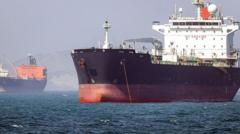
Crude oil prices experienced a notable decline following optimistic developments regarding the potential reopening of the Strait of Hormuz. The strategic shipping corridor, critical for global energy supplies, has shown signs of accessibility as diplomatic negotiations achieve tangible progress toward normalizing maritime commerce in the region.
US Officials Confirm Negotiation Breakthroughs
Marco Rubio, serving as US Secretary of State, and Scott Bessent, the Treasury Secretary, both disclosed significant advancements in ongoing discussions. Their joint announcements underscore the seriousness of international efforts to facilitate the resumption of oil shipments through one of the world's most vital energy arteries.
The Strait of Hormuz represents approximately one-third of global maritime petroleum trade, making its operational status crucial for international energy stability. Any disruption to transit through this narrow waterway immediately influences worldwide crude oil markets and consumer energy prices.
Market Implications and Price Adjustments
The prospect of reopened shipping lanes has prompted investors to reassess oil valuations. Markets typically respond positively to expanded supply accessibility, as increased transportation capacity reduces concerns about supply constraints and geopolitical bottlenecks affecting energy availability.
Financial analysts attribute the recent price decline to growing confidence among traders that negotiated settlements will permit unimpeded passage for commercial shipping. This sentiment reflects the market's interpretation of reduced supply-side risks associated with regional tensions that previously threatened maritime security.
International Energy Security Considerations
The Strait of Hormuz situation carries substantial implications for global energy infrastructure planning. Nations dependent on petroleum imports closely monitor developments affecting this critical passage, as disruptions create ripple effects throughout international energy markets and economic systems.
Trading desk professionals note that price movements increasingly reflect expectations about diplomatic outcomes rather than immediate physical constraints. This behavioral pattern demonstrates how geopolitical developments shape investor decisions in commodities markets.
Ongoing Diplomatic Efforts
The announcements from American officials signal sustained commitment to resolving regional disputes through negotiated frameworks rather than confrontational approaches. Diplomatic channels appear increasingly productive, suggesting that stakeholders prioritize commercial interests and energy stability.
International observers recognize that successful navigation through the Strait of Hormuz depends on maintaining consensus among multiple parties with divergent interests. Previous episodes demonstrated that even brief disruptions create substantial market volatility and economic consequences.
Broader Energy Market Outlook
Oil price movements reflect broader market sentiment about global supply adequacy. As negotiations progress favorably, market participants incorporate improved accessibility assumptions into their price forecasts and trading strategies.
Energy analysts expect continued market attention to diplomatic developments, with additional progress potentially triggering further adjustments to crude valuations. The interconnection between geopolitical outcomes and commodity pricing underscores the importance of monitoring international negotiations affecting maritime security and resource accessibility.


