 .
.
Investigation Reveals Dangerous Medical Fraud
A comprehensive BBC investigation has exposed a troubling criminal enterprise where parasitic medicines cancer fraud has become a widespread issue affecting vulnerable patients. The probe discovered that individuals with terminal diagnoses are being deliberately targeted with false promises that antiparasitic medications can treat malignant tumors, raising serious public health and ethical concerns.
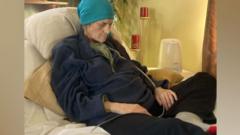
The investigation documented multiple cases where unsuspecting patients were approached by unauthorized sellers offering remedies with no scientific basis for cancer treatment. One particularly concerning case involved a terminally-ill patient who was offered these dubious medications by an individual whose primary profession was selling stair lifts, demonstrating how broadly this fraudulent scheme extends beyond traditional medical channels.
How the Scam Operates
The parasitic medicines cancer fraud scheme exploits a fundamental vulnerability in the healthcare system: desperate patients seeking any possible hope of survival. Sellers target individuals through informal networks and personal connections, bypassing legitimate pharmaceutical channels entirely. They present deworming agents and scabies treatments as alternative cancer therapies, claiming these substances possess tumor-shrinking properties that conventional medicine has allegedly suppressed or ignored.
These dangerous misrepresentations take advantage of patients who may have exhausted conventional treatment options or lost faith in established medical protocols. The fraudsters often employ persuasive language, anecdotal testimony, and pseudoscientific claims to convince vulnerable individuals that these medications represent their final opportunity for recovery. Some sellers explicitly discourage patients from continuing legitimate cancer treatments, potentially accelerating the disease's progression.
Scientific Evidence and Medical Reality
There exists absolutely no credible scientific evidence that deworming medications or scabies treatments possess any therapeutic value in treating cancer. These drugs are specifically formulated to target parasitic infections in humans or animals, with mechanisms of action entirely unrelated to malignant cellular proliferation. Cancer requires targeted therapies developed through rigorous clinical trials, regulatory approval processes, and evidence-based protocols established by qualified oncologists.
The parasitic medicines cancer fraud represents a fundamental misunderstanding or deliberate misrepresentation of pharmacological science. Antiparasitic agents work through entirely different biochemical pathways than cancer medications. Introducing these substances into patients' treatment regimens not only wastes critical time when effective therapies might still help, but potentially causes additional harm through adverse interactions or toxic effects.
Regulatory Failures and Patient Protection
The BBC investigation raises critical questions about regulatory oversight and consumer protection mechanisms. Authorities responsible for monitoring pharmaceutical sales appear to have inadequate surveillance systems for detecting these fraudulent schemes. The fact that non-medical professionals, such as stair lift salespeople, can operate these criminal enterprises suggests significant gaps in regulatory enforcement.
Healthcare providers and pharmaceutical regulators must establish stronger verification systems to prevent unauthorized distribution of prescription medications. Patients seeking alternative treatments should always consult with their oncology teams before introducing any new substances into their treatment protocols. Educational campaigns must emphasize that legitimate cancer treatments undergo extensive testing before regulatory approval, while unproven remedies represent significant risk factors.
Impact on Vulnerable Populations
Terminal cancer patients represent one of the most vulnerable populations in healthcare systems. When facing death, individuals often experience profound desperation that can override rational judgment. The parasitic medicines cancer fraud specifically targets this psychological vulnerability, offering false hope to patients who have limited remaining options within conventional medicine.
Beyond the direct harm to individual patients, this fraudulent activity undermines public confidence in legitimate medical institutions. Patients deceived by these schemes may develop deeper skepticism about conventional treatments, potentially rejecting proven therapies in favor of additional false remedies. This cascading effect of medical distrust can have devastating consequences for public health outcomes.
Protective Measures and Recommendations
Healthcare professionals must educate patients about recognizing fraudulent medical claims and understanding basic principles of pharmaceutical regulation. Families caring for terminally-ill relatives should be particularly vigilant about informal offers of alternative treatments from individuals without proper medical credentials or institutional affiliations.
The BBC investigation serves as critical evidence that regulatory authorities require increased funding and expanded authority to monitor pharmaceutical distribution networks. Law enforcement agencies should pursue criminal charges against individuals profiting from this parasitic medicines cancer fraud scheme. Additionally, platforms where these fraudulent products are promoted require greater monitoring and removal of misleading health claims.
Patient advocacy organizations and medical institutions bear responsibility for developing comprehensive educational materials that help individuals distinguish between evidence-based treatments and dangerous fraudulent schemes. Only through coordinated efforts involving regulatory bodies, healthcare providers, law enforcement, and patient advocates can the public be adequately protected from exploitation during their most vulnerable medical moments.


