 .
.
Helicopter Strikes Panama Ship Defying Iran Blockade
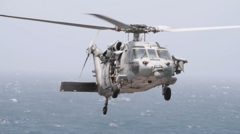
Military forces from the United States have taken direct action against commercial shipping in the region, with a helicopter strikes Iran blockade operations in critical maritime corridors. The US Central Command announced that a military helicopter successfully engaged a Panama-flagged cargo vessel operating in the Gulf of Oman, striking the vessel's engine room with precision-guided munitions.
The aircraft deployed by American forces targeted the propulsion systems of the vessel after authorities determined it was attempting to circumvent international restrictions on Iranian trade. This helicopter strikes Iran blockade enforcement action marks an escalation in efforts to maintain pressure on Tehran's economic activities through maritime interdiction operations.
Details of the Military Engagement
According to official statements from the Pentagon's Central Command, the cargo ship bearing Panama registry was identified as attempting to transport goods in violation of established sanctions protocols. The helicopter crew made the decision to disable rather than destroy the vessel, aiming projectiles at the engine compartment to halt its forward progress without causing catastrophic damage.
The Gulf of Oman has become an increasingly contested maritime zone, with multiple nations monitoring shipping traffic for potential sanctions violations. The Panama-flagged vessel was tracked by surveillance assets before military intervention commenced, allowing operators to gather comprehensive intelligence on its intended route and cargo manifest.
Strategic Context of Iran Sanctions Enforcement
The United States maintains an extensive network of economic sanctions targeting Iranian financial institutions, oil exports, and commercial enterprises. These restrictions have been in place for years, designed to pressure the Iranian government on multiple policy fronts including nuclear development and regional activities.
Maritime interdiction represents a critical enforcement mechanism for maintaining these sanctions regimes. Navy vessels and air assets operate throughout the region to intercept commercial traffic suspected of supplying Iran with goods or transporting Iranian products to international markets. The helicopter engagement demonstrates the military's willingness to employ force when confronted with vessels deemed to be actively defying these restrictions.
International Shipping and Regional Security Concerns
The incident occurred in one of the world's most strategically important shipping corridors, where millions of barrels of oil pass through daily. Commercial vessels navigating these waters face complex regulatory environments and heightened scrutiny from multiple naval forces operating in the region.
Insurance companies and maritime operators have raised concerns about the escalating risks in the Gulf of Oman and adjacent waterways. The Panama-flagged vessel's encounter with military action underscores the tangible dangers facing commercial shipping engaged in potentially sanctioned activities. Many shipping companies now employ specialized risk assessment teams to evaluate compliance with international restrictions before routing vessels through sensitive maritime zones.
Panama Registry and Commercial Shipping Practices
Ships registered under the Panama flag represent a significant portion of global commercial vessels, often selected by operators seeking regulatory flexibility and lower operational costs. However, Panama registry does not shield vessels from enforcement actions by major military powers targeting sanctions violations.
The engagement with the Panama-flagged cargo ship illustrates how commercial shipping companies can become entangled in geopolitical disputes even when their vessels operate under neutral flags. Owners and operators of internationally-flagged vessels must carefully monitor evolving sanctions regulations and maritime security advisories to avoid military confrontation in contested regions.
Broader Implications for Regional Security
The military action signals continued American commitment to enforcing economic restrictions on Iran through active naval operations. Defense analysts suggest this incident represents part of a broader strategy to demonstrate resolve and deter shipping companies from participating in sanctions evasion schemes.
Regional observers note that such military interventions can contribute to tensions among nations with competing interests in Middle Eastern geopolitics. The helicopter strikes Iran blockade enforcement operations reflect the complex security environment in the Persian Gulf and surrounding waters, where military assets from multiple countries maintain constant operational presence.


