 .
.
Plug-in Solar Panels Now Available for Home Energy Solutions
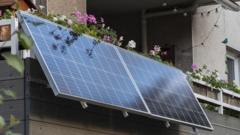
A revolutionary approach to residential renewable energy is becoming increasingly accessible as plug-in solar panels make their way into retail locations across the United Kingdom. These innovative devices represent a significant shift in how homeowners can adopt solar technology without major installation commitments. The UK government has highlighted that plug-in solar panels could enable households to achieve substantial reductions in their energy expenses while simultaneously lowering their overall power consumption.
Understanding the Benefits of Plug-in Solar Panel Technology
Plug-in solar panels distinguish themselves from traditional rooftop installations through their straightforward deployment process and flexibility. Homeowners seeking to incorporate renewable energy into their properties no longer face the lengthy installation procedures and considerable upfront expenses traditionally associated with conventional solar systems. These portable units can be positioned in various locations around a property, maximizing sun exposure and energy generation potential.
Cost Reduction and Energy Bill Savings
According to government assessments, residences utilizing plug-in solar panels can experience meaningful decreases in their annual energy bills. The financial advantages extend beyond simple savings, as households simultaneously reduce their dependence on grid-supplied electricity during daylight hours. This transition toward self-sufficiency in energy production represents an important step toward sustainable living practices.
Installation and Accessibility
One of the most compelling advantages of plug-in solar panel systems involves their minimal installation requirements. Unlike conventional solar arrays that demand professional installation, structural modifications, and building permits, plug-in variants offer homeowners the opportunity to establish their own systems. This accessibility democratizes access to solar technology, making renewable energy solutions available to a broader demographic of UK residents.
The Retail Expansion of Solar Energy Solutions
The appearance of plug-in solar panels in mainstream retail environments signals a significant transformation in the renewable energy market. Previously, solar technology remained largely the domain of specialized suppliers and professional installers. Today's retail availability indicates growing mainstream acceptance and increased consumer demand for accessible renewable energy options. This expansion reflects broader societal recognition regarding the necessity of transitioning toward sustainable power sources.
Market Growth and Consumer Interest
Retailers across the UK are responding to substantial consumer interest in plug-in solar solutions. This growing availability through conventional shopping channels removes previous barriers that discouraged average households from exploring renewable energy adoption. The combination of improved accessibility, reduced complexity, and competitive pricing has generated considerable enthusiasm among environmentally conscious consumers and those seeking immediate energy cost reductions.
Government Support and Energy Policy
The UK government's endorsement of plug-in solar panels as a viable mechanism for energy consumption reduction demonstrates official recognition of their potential impact on household finances and national energy strategies. By promoting these systems, policymakers are encouraging broader participation in renewable energy adoption among residential consumers. This governmental support facilitates market growth and consumer confidence in plug-in solar technology as a legitimate solution for reducing energy dependency.
Environmental and Economic Implications
The widespread adoption of plug-in solar panels carries significant implications for both environmental sustainability and household economics. As more residences generate their own electricity through solar means, collective demand on national power grids decreases, potentially reducing reliance on fossil fuel-based energy generation. Simultaneously, individual households experience direct financial benefits through substantially lower energy bills and improved long-term economic resilience against rising electricity costs.
Choosing and Installing Your Plug-in Solar Panel System
Prospective buyers entering retail locations to purchase plug-in solar panels should familiarize themselves with essential specifications and performance metrics. Understanding wattage capacity, efficiency ratings, and optimal positioning ensures maximum energy generation from installed systems. Many retail locations now provide guidance and educational resources to support customer decision-making processes, enabling informed choices regarding appropriate system specifications for individual household requirements.
Maximizing Energy Generation Potential
Strategic placement of plug-in solar panels significantly influences overall system performance and energy production efficiency. South-facing positions with minimal shade exposure generally yield optimal results throughout daylight hours. Homeowners should assess their property layouts carefully, identifying locations that receive consistent, unobstructed sunlight exposure. This thoughtful positioning approach maximizes the practical benefits and financial returns associated with plug-in solar panel installation.
The Future of Residential Solar Energy
The retail availability of plug-in solar panels marks a pivotal moment in the evolution of residential renewable energy adoption across the UK. As these systems become normalized within mainstream shopping environments, increasing numbers of households will likely explore solar energy opportunities previously considered inaccessible. This democratization of renewable technology promises to reshape residential energy consumption patterns significantly. The combination of governmental support, retail accessibility, and genuine financial benefits positions plug-in solar panels as a cornerstone technology in achieving broader national sustainability objectives while simultaneously empowering individual households to manage their energy costs more effectively.


