.
.
Polish Government Signals Critical Period Ahead
The Polish Prime Minister's recent statements underscore the nation's heightened vigilance in response to evolving security concerns from the east. Poland faces critical months ahead as officials prepare comprehensive contingency plans, with the Polish Prime Minister Russian threat assessment prompting decisive action from Warsaw's leadership.
Tusk's Warning and Strategic Positioning
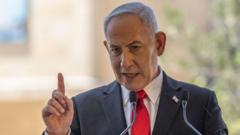
During recent public statements, Poland's chief executive emphasized the government's commitment to evaluating and preparing for "various" potential scenarios that could impact national security. This measured approach reflects the serious consideration being given to intelligence assessments and strategic developments in the region.
The emphasis on preparedness across multiple scenarios demonstrates a pragmatic approach to governance during uncertain times. Officials acknowledge that the current geopolitical landscape demands flexibility and comprehensive planning rather than responses limited to single contingencies.
Background to Current Concerns
Recent media reports concerning potential military actions have intensified focus on Poland's defensive posture. These reports, circulating through international news channels, have prompted immediate discussion among government officials and security specialists about necessary preventative measures and strategic responses.
Poland's geographical position as a NATO member bordering Ukraine places it at the intersection of significant geopolitical tensions. The nation has already witnessed the consequences of regional instability through the humanitarian and security challenges created by the ongoing Ukrainian conflict.
Preparation and Defense Strategy
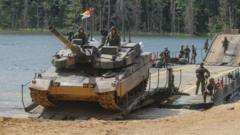
Government preparations encompass multiple domains of national security. Defense officials, military commanders, and civilian authorities are engaged in coordinated planning that addresses potential scenarios ranging from humanitarian considerations to direct security threats.
The Polish government's approach emphasizes both deterrence and preparedness. By publicly acknowledging the serious nature of current circumstances while demonstrating organized preparation, authorities aim to maintain public confidence while signaling strength to external actors.
NATO Alliance and International Cooperation
As a NATO member, Poland benefits from alliance commitments and cooperative security arrangements with Western partners. The current situation has likely prompted increased coordination with allies regarding intelligence sharing, military positioning, and diplomatic strategies.
International support mechanisms and alliance protocols provide frameworks for collective security responses. Poland's integration within these structures offers both assurance and operational capabilities that inform the government's strategic calculus during this period.
Domestic Considerations and Public Confidence
Managing public communication during security challenges requires balanced messaging. Government officials must acknowledge genuine concerns while avoiding unnecessary panic or destabilization of public confidence in state institutions.
The statement regarding preparation for "various" scenarios reflects this balance. By emphasizing comprehensive readiness rather than specific threat acknowledgment, authorities maintain deterrent credibility while managing domestic psychological factors.
Timeline and Future Implications
The characterization of coming months as "critical" suggests anticipation of a defined period during which circumstances may become clearer or decisions may become necessary. This framing indicates officials expect either resolution of current uncertainties or significant developments requiring concrete responses.
Poland's preparatory measures during this period will likely shape both immediate security outcomes and longer-term strategic positioning in the region. The decisions made and capabilities developed now may prove consequential for years to come.