 .
.
Rail Power Outage Causes Major Disruption to Manchester Services
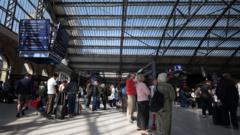
A significant rail power outage affected thousands of passengers in Manchester, causing extensive service disruptions throughout the evening hours. The unexpected infrastructure failure triggered widespread delays and multiple cancellations across the affected rail network, leaving commuters stranded and forcing operators to implement emergency contingency measures.
Impact on Commuter Services
The rail power outage proved particularly problematic during peak travel hours, when passenger volumes typically reach their highest levels. Services across the Manchester rail network experienced severe operational challenges as electrical supply systems failed to maintain normal functionality. Passengers faced substantial waiting periods and were forced to seek alternative transportation options to reach their destinations.
Widespread Delays and Cancellations
The evening commute became increasingly chaotic as delays accumulated and train services were progressively cancelled. Operators confirmed that service disruptions would persist throughout the remainder of the evening, affecting both local and regional rail connections. Multiple routes experienced complete suspension of normal timetabled services, requiring emergency management protocols to be activated.
Communication with Affected Passengers
Rail authorities issued urgent communications to inform passengers about the evolving situation and the anticipated duration of service interruptions. Updates were provided through official channels to ensure travelers had access to current information regarding alternative routes and transportation solutions. Passengers were advised to consider using substitute services or rescheduling their journeys where possible.
Operational Response and Recovery Efforts
Engineering teams mobilized immediately following the failure detection to diagnose and address the underlying electrical issues. Technical specialists worked systematically to isolate the affected infrastructure sections and restore power supply to critical rail segments. The complexity of the Manchester rail network infrastructure required coordinated efforts between multiple operational teams.
Restoration Timeline
Authorities indicated that full service restoration would require several hours of intensive repair work. Initial estimates suggested that partial services might resume gradually as individual sections were brought back online. Complete normalization of the rail network was not anticipated until well into the following period, contingent upon successful resolution of all identified electrical faults.
System Resilience and Safety Measures
The incident highlighted the critical importance of maintaining robust infrastructure systems within urban rail networks. Safety protocols were strictly maintained throughout the disruption period to ensure passenger security despite the operational challenges. No injuries were reported as a result of the service disruption or related incidents.
Network Monitoring
Once services resumed, enhanced monitoring protocols were implemented to detect any residual electrical anomalies. Systematic testing procedures were conducted on affected infrastructure components to verify complete system functionality before full operational capacity was restored.
Passenger Compensation and Support
Rail operators initiated passenger assistance programs to support those significantly impacted by the extended delays. Information regarding compensation eligibility and claims procedures was made available through customer service channels. Additional support measures were considered to address hardship cases experienced by commuters unable to complete their journeys.
Lessons and Future Improvements
The rail power outage prompted reviews of existing electrical distribution systems and contingency planning protocols. Infrastructure investment discussions focused on implementing redundant power supply systems to mitigate the risk of similar service disruptions in future. Stakeholders emphasized the necessity of strengthening Manchester's rail infrastructure to accommodate growing passenger demand while maintaining service reliability.


