 .
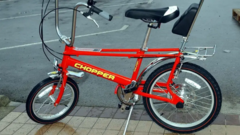
.
Raleigh Bike Maker's Parent Company Faces Financial Crisis
The parent company behind the legendary Raleigh bike maker has initiated insolvency proceedings, marking a significant turning point for one of the cycling industry's most recognizable brands. Accell Group, the Dutch-based corporation that acquired Raleigh bike maker operations over a decade ago, has announced formal insolvency filings as it navigates severe economic headwinds affecting the global bicycle sector.
Raleigh bike maker has maintained its position as a household name in the cycling world, known for decades of innovation and quality craftsmanship. However, the broader challenges facing Accell Group's diverse portfolio have created mounting financial pressures that ultimately led to this significant corporate action.
Accell Group's Ownership Journey Since 2012
The Dutch holding company assumed control of the Raleigh bike maker brand in 2012, integrating it into a larger corporate structure that encompasses multiple cycling and sports equipment manufacturers. This acquisition was intended to leverage Accell Group's operational expertise and distribution networks to strengthen the brand's market presence globally.
Under Accell Group's stewardship, Raleigh bike maker continued producing a wide range of bicycles across various categories, from urban commuter models to high-performance road and mountain bikes. The company maintained manufacturing relationships and supply chain connections throughout this period, though the operational landscape has shifted considerably in recent years.
Current Market Conditions Impacting the Cycling Industry
The bicycle manufacturing sector has experienced substantial volatility following the pandemic-driven surge in cycling demand. Supply chain disruptions, rising material costs, and changing consumer purchasing patterns have created significant financial strain across the industry. Many manufacturers and retailers have struggled to maintain profitability as market conditions normalized after unprecedented demand peaks.
Accell Group's insolvency filing reflects these broader industry challenges, particularly affecting mid-to-large manufacturers with complex international operations and multiple brand portfolios. The company's exposure to various market segments and geographic regions has likely amplified financial pressures during this transitional period.
Implications for Raleigh Brand and Stakeholders
The Raleigh bike maker brand's future operations remain uncertain as the insolvency process unfolds. Employees, distributors, retailers, and loyal customers who have supported Raleigh bikes for generations now face questions about the brand's continuity and product availability. The insolvency proceedings will determine whether Raleigh bike maker continues under existing ownership, undergoes restructuring, or attracts new investment from interested parties.
Stakeholders in the cycling community have expressed concern about the potential impact on innovation, product development, and customer service. Raleigh bike maker has built its reputation on responsive customer support and continuous design improvements, attributes that depend on stable operational and financial foundations.
Looking Forward: The Path Ahead for Raleigh Bikes
The insolvency process typically involves detailed financial assessment, creditor negotiations, and exploration of potential restructuring options. Various stakeholders—from institutional investors to rival manufacturers—may evaluate opportunities to acquire assets or the entire Raleigh bike maker brand during this period. The Dutch parent company's insolvency filing does not immediately signal the end of Raleigh bike maker operations, but rather initiates a formal process to address financial obligations and explore recovery pathways.
Customers currently using or considering Raleigh bikes should monitor official announcements regarding warranty support, spare parts availability, and service center operations. The cycling industry has demonstrated resilience through previous market disruptions, and established brands like Raleigh bike maker possess significant brand equity that may attract investors seeking to continue operations under modified corporate structures.


