 .
.
Cernavodă Nuclear Plant Shutdown Due to Environmental Factors
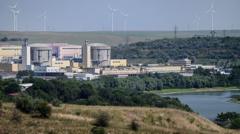
The Cernavodă nuclear plant shutdown represents a significant development in Romania's energy infrastructure. As extreme weather conditions continue to impact Europe, the facility that supplies approximately one-fifth of Romania's electricity has been forced offline due to critically low water levels in the Danube River.
This Cernavodă nuclear plant closure comes at a time when energy demands remain elevated across the continent. The decision reflects the growing challenges that nuclear facilities face when environmental conditions become unfavorable for cooling operations.
Impact on Romania's Energy Supply
The temporary shutdown of this crucial power generation facility poses considerable challenges for Romania's electrical grid. With the plant contributing roughly 20% of the nation's total electricity production, its offline status creates a noticeable gap in available power resources.
Energy officials have indicated that the facility is unlikely to resume normal operations within the immediate ten-day period. This timeline raises concerns about how Romania will manage its electricity needs during this critical window, particularly as summer heat persists across the region.
Water Level Crisis on the Danube
The Danube River, one of Europe's most vital waterways, has experienced unprecedented drops in water levels. Extreme temperatures and reduced precipitation have combined to create conditions that threaten normal operations of riverside infrastructure and industrial facilities.
Nuclear power plants depend heavily on adequate water supplies for their cooling systems. When river levels fall below operational thresholds, plants must shut down to prevent potential safety risks and environmental damage. The Cernavodă nuclear plant shutdown demonstrates how climate-related factors directly influence energy production capabilities.
Broader Implications for European Energy Security
The situation at Cernavodă reflects wider concerns about energy security across Europe. Multiple nations face similar pressures as traditional power generation methods become vulnerable to climate variability.
This case highlights the delicate balance between maintaining electrical grids and respecting environmental and safety protocols. The nuclear plant shutdown, while necessary, underscores the vulnerability of energy systems to environmental pressures and the importance of diversified energy portfolios.
Timeline and Recovery Expectations
Current projections suggest the facility may remain offline for at least ten days, though actual restart times depend on river water level recovery. Should drought conditions persist, the timeline could extend significantly, creating additional strain on Romania's power system.
Engineers and environmental specialists continue monitoring the Danube closely. The Cernavodă nuclear plant will only resume operations once water levels rise sufficiently to support safe cooling operations.
Historical Context and Significance
The Cernavodă facility has operated as Romania's sole nuclear power station, making it indispensable to the nation's energy strategy. Its construction and continued operation represent significant investments in nuclear technology and infrastructure development.
Previous episodes of low water levels have occasionally impacted operations, but the current situation demonstrates the increasing frequency and severity of such events linked to climate patterns.


