 .
.
Russia's Record Attack on Kyiv Results in Significant Casualties
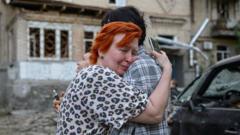
A devastating Kyiv attack by Russian forces has marked one of the most intensive military operations against Ukraine's capital in recent months. The assault resulted in at least 27 deaths and widespread destruction across multiple districts, representing an escalation in the ongoing conflict between the two nations. This Kyiv attack deployed an unprecedented arsenal of weapons, targeting civilian infrastructure and residential areas simultaneously.
Unprecedented Scale of Military Bombardment
The magnitude of this particular operation surpassed previous strikes in terms of weapon deployment concentration. Russian military forces coordinated strikes across an extensive geographical area within the capital, affecting numerous neighborhoods and administrative zones. Emergency services reported receiving distress calls from locations spanning from the city's eastern periphery to central residential quarters, indicating the widespread nature of the assault.
Destruction and Impact Across Multiple Districts
Rescue teams worked through the night responding to emergencies triggered by the bombardment. The Kyiv attack impacted residential buildings, commercial establishments, and critical infrastructure facilities. Preliminary assessments indicated damage to energy facilities, which could affect utilities throughout the metropolitan area. Hospital admissions surged as medical personnel treated wounded civilians extracted from collapsed structures and damaged locations.
Infrastructure Damage Assessment
Authorities began systematic evaluations of structural damage across affected zones. Several residential complexes sustained direct hits, leaving residents without shelter. The Kyiv attack also damaged transportation networks, complicating evacuation and emergency response operations. Utility providers mobilized repair crews to restore electricity and water services to affected neighborhoods.
Humanitarian Response and Emergency Operations
Local authorities activated emergency protocols immediately following the initial strikes. Coordination between municipal services, national security forces, and international humanitarian organizations commenced to address immediate needs. The response included establishing temporary shelters for displaced residents, organizing medical services at field clinics, and distributing essential supplies to affected communities.
Medical and Casualty Management
Hospitals throughout Kyiv received casualties with varying degrees of injuries. Medical professionals worked extended shifts treating trauma cases, burns, and crush injuries resulting from structural collapses. International medical organizations offered assistance, though logistics remained challenging given ongoing security concerns and infrastructural disruptions.
Context Within the Broader Conflict
This incident represents a continuation of intensified military operations that have characterized recent weeks. The Kyiv attack aligns with reports of increased Russian military activity along multiple fronts. Strategic analysts note that such concentrated assaults on capital cities typically aim to demoralize civilian populations and strain governmental response capabilities.
Military Strategic Implications
Defense experts suggest the scale of deployment indicates commitment of substantial military resources to the operation. The simultaneous targeting across diverse locations suggests coordinated planning and execution. Such tactics, while inflicting immediate damage, also provide intelligence regarding military capabilities and strategic priorities.
International Response and Support
Following news of the Kyiv attack, international leaders issued statements condemning the operations. Allied nations reiterated commitments to supporting Ukraine through military aid, humanitarian assistance, and diplomatic channels. European Union officials emphasized continued financial and material support for reconstruction efforts and civilian assistance programs.
Diplomatic Developments
The incident renewed calls within international forums for ceasefire negotiations. However, diplomatic channels remained strained, with significant disagreements over preconditions and negotiation frameworks. Regional organizations documented incidents for potential future accountability proceedings.
Civilian Resilience and Reconstruction Efforts
Despite the devastating nature of this Kyiv attack, residents demonstrated remarkable resilience. Community volunteers organized mutual aid efforts, clearing debris and providing support to displaced persons. Local authorities announced preliminary plans for structural repairs and infrastructure reconstruction in damaged zones.
Long-term Recovery Planning
Government agencies initiated assessments determining priorities for rehabilitation and reconstruction. International development partners pledged support for rebuilding damaged infrastructure. The comprehensive recovery process was expected to extend across months, requiring sustained coordination between local authorities, national government, and international partners.
Ongoing Security Concerns
In the aftermath of this destructive Kyiv attack, security protocols intensified throughout the capital. Civil defense systems underwent reviews to identify improvements for future preparedness. Authorities encouraged residents to maintain vigilance and utilize shelter facilities during alert periods, recognizing the potential for additional operations.
The devastating impact of this unprecedented bombardment underscores the human costs of ongoing military conflict. As investigations continue and recovery operations proceed, the Kyiv attack serves as a stark reminder of civilian vulnerability during military operations and the necessity for international engagement in resolving the underlying conflict driving such escalations.


