.
.
Anti-War Politician Faces Extended Prison Term in Russia
A prominent anti-war politician in Russia has received an 11-year prison sentence following a high-profile legal proceeding that has drawn international attention. The case represents a significant development in the ongoing tension between the Kremlin and vocal critics of Russia's military operations. This anti-war politician's conviction marks another chapter in the country's increasingly contentious relationship with dissenting voices within its political sphere.
Lev Schlosberg's Conviction and Charges
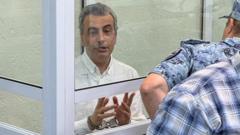
Lev Schlosberg, an influential figure known for his outspoken opposition to Russia's military actions, has been found guilty of charges related to "discrediting" Russia's armed forces. The court's decision has ignited widespread debate regarding freedom of expression and political accountability within the Russian judicial system. Schlosberg has categorically rejected the verdict, asserting that the charges represent a direct assault on his right to express political opinions.
Nature of the Accusations
The specific charges leveled against the anti-war politician center on allegations of making statements deemed damaging to Russia's military reputation. According to the prosecution's case, Schlosberg's public comments and political statements violated legislation designed to protect the armed forces from what authorities classify as defamatory speech. The legal framework employed in prosecuting this case has become increasingly controversial among human rights organizations and international observers who monitor judicial developments in Russia.
Political Context and Broader Implications
Schlosberg's conviction occurs within a broader context of heightened governmental pressure on dissenting politicians and civil society figures in Russia. The anti-war politician has consistently positioned himself as a challenger to official narratives regarding military operations, making him a prominent target for legal action. His case exemplifies the challenges faced by political opponents who dare to challenge state-sanctioned military policies publicly.
Freedom of Expression Concerns
International observers and human rights advocates have raised serious concerns about the implications of this conviction for political discourse in Russia. The prosecution of an anti-war politician for expressing controversial viewpoints regarding military affairs underscores tensions between state security interests and constitutional protections for free speech. Legal experts argue that the application of "discrediting" charges against political opponents raises fundamental questions about judicial independence and the rule of law.
Schlosberg's Response and Political Stance
The convicted anti-war politician has made clear his position that the court's ruling represents political persecution disguised as legal judgment. Schlosberg maintains that his statements, while critical of military policies, constitute legitimate political expression protected under democratic principles. He has vowed to continue advocating for peace-oriented policies despite the severe consequences imposed by the court.
Career and Political Background
Prior to his conviction, Schlosberg had established himself as a consistent voice questioning Russia's military engagement and advocating for alternative approaches to international relations. His political activities extended beyond parliamentary work to include public advocacy and engagement with civil society organizations. This sustained opposition positioned him as a significant figure within Russia's limited anti-war movement.
International Response and Human Rights Assessment
The sentencing of this prominent anti-war politician has prompted reactions from international human rights organizations, which have characterized the verdict as concerning for democratic development. Western governments and advocacy groups have expressed alarm at what they perceive as judicial persecution of legitimate political opposition. The case has contributed to broader international criticism regarding judicial practices in Russia.
Precedent and Future Implications
Legal analysts suggest that the conviction of an anti-war politician on such charges may establish concerning precedents for future prosecutions of political dissidents. The verdict potentially strengthens governmental tools for silencing military criticism, thereby chilling the expression of alternative viewpoints on security matters. These developments raise questions about the trajectory of political freedom and judicial impartiality within Russian institutions.
Conclusion
The 11-year sentence imposed on Schlosberg represents a significant moment in Russia's approach toward political opposition and military criticism. Whether viewed as legitimate law enforcement or political persecution, this case involving a prominent anti-war politician will likely remain a focal point for discussions about democracy, free expression, and the future of political dissent in Russia. The implications of this conviction will continue resonating through Russian political discourse for years to come.