 .
.
Escalating Conflict Impacts Russian Grain Export Terminals at Black Sea
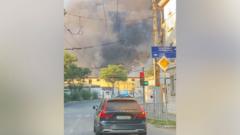
The ongoing military tensions between Russia and Ukraine have intensified significantly, with recent operations focusing heavily on critical infrastructure. Russian grain export terminals at Black Sea ports have become strategic targets in the broader conflict, resulting in substantial disruptions to grain shipments from the region. These attacks on Russian export infrastructure represent a critical escalation in maritime operations affecting global food security.
Impact on Global Grain Trade and Supply Chains
The targeting of grain export facilities has created a cascade of consequences for international markets. Both nations have implemented systematic strategies to damage each other's shipping capabilities and port operations, leading to measurable declines in overall grain exports from the Black Sea region. This mutual disruption has forced agricultural producers and trading companies to reassess supply chain strategies and explore alternative export routes.
Shipping Infrastructure Vulnerabilities
Port facilities designed for grain handling represent significant investments in maritime infrastructure. The repeated attacks on these facilities have exposed vulnerabilities in existing protection systems and highlighted the strategic importance of Black Sea logistics. Grain storage facilities, loading equipment, and transport vessels have all suffered damage during the recent operations targeting the region's export capacity.
Strategic Significance of Black Sea Ports
The Black Sea has long served as a vital corridor for grain exports, particularly for major producing nations in Eastern Europe. These ports handle millions of tons of agricultural products annually, making them essential to global food supply stability. The disruption of Russian grain export terminals disrupts not only regional commerce but reverberates through international commodity markets and affects food prices worldwide.
Economic Ramifications for Exporters
Agricultural businesses operating in the region face unprecedented operational challenges. Storage capacity constraints, reduced shipping opportunities, and elevated insurance costs have compressed profit margins significantly. Grain producers must now contend with prolonged holding periods for their products, storage facility deterioration risks, and uncertainty regarding future export window availability.
Mutual Targeting of Maritime Assets
The conflict has expanded beyond traditional military targets to encompass economic infrastructure. Ukraine's operations have specifically targeted Russian shipping facilities as part of broader strategy, while Russia has maintained its own maritime operations affecting Ukrainian export capabilities. This reciprocal targeting pattern demonstrates how the conflict has evolved into a comprehensive economic and military struggle for control of vital resources.
Port Operations Under Strain
Operational tempo at Black Sea ports has become increasingly irregular and unpredictable. Facility managers must balance productivity demands with security concerns, often resulting in reduced operational hours or temporary closures during heightened tension periods. Insurance providers have raised premiums substantially, reflecting the elevated risk profile associated with maritime activities in contested waters.
Global Food Security Concerns
Reductions in grain exports from major Black Sea producers have prompted concerns among food security analysts and international organizations. Countries dependent on grain imports from the region face potential supply shortages and price volatility. The cumulative effect of attacks on Russian grain export terminals and comparable Ukrainian facilities threatens the stability of global grain markets that many nations rely upon for food security and economic stability.
Ongoing Developments in Maritime Conflict
Military operations targeting grain infrastructure show no signs of abating. Recent intelligence reports indicate continued planning for operations against export terminals and shipping assets in the Black Sea. The targeting of Russian grain export infrastructure appears embedded within broader strategic objectives aimed at constraining economic activity and reducing revenue generation capacity.
The disruption of Black Sea grain trade represents a significant intersection of military strategy and economic warfare. As long as hostilities persist and both sides prioritize targeting each other's maritime infrastructure, grain exports from the region will likely remain suppressed relative to pre-conflict levels, creating persistent challenges for global agricultural markets and food availability worldwide.


