.
.
Standards Watchdog Reopens Farage Inquiry Investigation
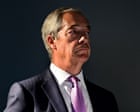
The standards watchdog has resumed its Farage inquiry into the financial dealings of Reform UK's leader Nigel Farage, marking a significant development in ongoing scrutiny of his conduct. The reopening comes amid widespread criticism from lawmakers across the political spectrum regarding the controversial Clacton byelection, which many argue was unnecessary and avoidable.
The timing of the standards watchdog's decision to reinvigorate the Farage inquiry suggests that Farage's strategy to preempt further questions about his financial affairs may have proven counterproductive. Rather than silencing debate, the reopened investigation has reignited concerns about his personal conduct and potential regulatory violations.
Victory Declared in Clacton Byelection Despite Controversy
Despite the mounting scrutiny, Farage achieved victory in the Clacton constituency with a significantly increased majority. The Reform UK leader secured more votes than he obtained during the previous general election in 2024, a result he characterized as a decisive statement against what he termed the "entire political establishment."
Farage's electoral success in Clacton came as he famously absented himself from the vote count, reportedly to avoid experiencing humiliation at the hands of those he dismisses as "nobodies." This unusual decision to remain absent from the traditional victory celebration raised eyebrows among political observers and commentators.
Cross-Party Condemnation of Unnecessary Byelection
Members of Parliament from multiple parties have united in their criticism of the byelection, describing it as an unnecessary drain on public resources and democratic processes. The coordinated condemnation reflects broader concerns about the legitimacy and timing of the electoral contest.
Opposition figures argue that the byelection served primarily as a personal vehicle for Farage's political positioning rather than addressing genuine constituency needs or unresolved legislative matters. This perspective has gained traction among senior lawmakers who view the contest as emblematic of broader partisan concerns.
Financial Affairs Under Renewed Scrutiny
The standards watchdog's decision to reopen the Farage inquiry into financial matters represents a direct challenge to the Reform UK leader's authority and credibility. The investigation focuses on questions surrounding the source, transparency, and propriety of various financial arrangements and gifts received by Farage.
Observers note that the timing of the reopened investigation relative to Farage's electoral victory creates a complex political narrative. While Farage celebrates his constituency triumph, the parallel acceleration of the standards watchdog's Farage inquiry suggests that his legal and ethical standing remains precarious.
Political Establishment Response and Implications
The response from established political actors demonstrates the depth of concern regarding both Farage's conduct and his apparent willingness to leverage electoral contests for personal gain. The unified criticism across party lines suggests that the Clacton byelection has become a focal point for broader anxieties about political accountability and propriety.
Looking forward, the reopened standards watchdog investigation into Farage's financial affairs will likely dominate headlines and parliamentary discussions. The outcome of this Farage inquiry could have significant ramifications not only for the Reform UK leader personally but also for the broader trajectory of contemporary British politics.
The combination of electoral victory and renewed regulatory scrutiny creates an unusual position for Farage, whose political career has consistently navigated between popular electoral success and institutional criticism. How he manages the mounting pressure from the standards watchdog investigation will become a defining test of his political durability and resilience.