 .
.
Trump Signals Progress in Iran War Talks During Strike Cessation
The United States president has indicated that Iran war talks are actively progressing during a temporary pause in military operations, presenting what he characterizes as a promising window for diplomatic resolution. According to Trump's statements, meaningful dialogue is occurring behind the scenes, though the exact nature and scope of these negotiations remain subject to differing interpretations between Washington and Tehran.
Presidential Optimism on Diplomatic Breakthrough
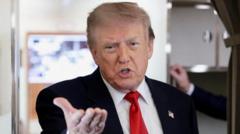
During recent comments to media, the president expressed confidence about the trajectory of Iran war talks, stating that "there is a good chance that something could happen" in terms of reaching an agreement. This cautiously optimistic assessment suggests that American officials view the current lull in military confrontations as a critical opportunity to advance negotiations through diplomatic channels.
The statement reflects a shift in rhetoric that emphasizes dialogue over escalation, though the sustainability and seriousness of such discussions remain uncertain. Trump's characterization of the situation indicates that negotiators may be exploring various frameworks and proposals intended to address the core grievances and security concerns that have historically divided the two nations.
Tehran Denies Active Direct Communications
In sharp contrast to the American president's claims about ongoing Iran war talks, Iranian officials have flatly denied that direct diplomatic discussions are taking place between the two governments. This fundamental contradiction between Washington and Tehran's public statements underscores the deep mistrust that continues to characterize their relationship.
The Iranian denial raises significant questions about what preliminary contacts, if any, are actually occurring. It is possible that negotiations are happening through intermediaries or backchannel communications rather than face-to-face official talks, a common practice in international diplomacy when direct negotiations are politically sensitive.
Understanding the Military Pause Context
The temporary lull in military strikes referenced by Trump provides crucial context for assessing the credibility of diplomatic claims. This pause could represent either a genuine effort by both parties to create space for negotiations, or alternatively, a tactical repositioning by one or both sides while maintaining their strategic posture.
Military experts have noted that such pauses in conflicts often serve multiple purposes: they can provide time for diplomatic channels to function more effectively, allow for reassessment of military strategies, or demonstrate to international observers a willingness to pursue peaceful solutions. The duration and terms of this particular pause will likely prove significant in determining whether it represents a genuine shift toward negotiation.
Complexity of Iran-US Relations
The current situation with Iran war talks reflects the broader complexity of United States-Iran relations, shaped by decades of antagonism, competing regional interests, and fundamental disagreements over nuclear capabilities and regional influence. Previous attempts to establish frameworks for dialogue, most notably the Joint Comprehensive Plan of Action (JCPOA), have experienced significant challenges and reversals.
Trump's optimism about the current diplomatic moment must be evaluated against this historical backdrop. The willingness or ability of either side to make substantive concessions necessary for a lasting agreement remains unclear, particularly given the public positions both governments have maintained regarding non-negotiable principles and red lines.
International Observation and Implications
The apparent gap between American and Iranian statements regarding the status of Iran war talks has not gone unnoticed by the international community. Allied nations and regional observers are monitoring the situation closely, recognizing that any agreement—or conversely, any escalation—would have significant implications for Middle Eastern stability and global security.
The current diplomatic environment, despite its contradictions and uncertainties, represents a moment that diplomacy experts suggest should not be dismissed entirely. Even indirect or informal channels of communication can occasionally evolve into more substantive negotiations if circumstances align and political will exists on both sides.
Path Forward and Critical Questions
As Iran war talks potentially develop, several critical questions remain unanswered. What specific issues are being addressed in these discussions, whether direct or indirect? What concessions or compromises might be achievable given the entrenched positions of both governments? How long will the military pause continue, and what conditions might prompt its termination?
The coming weeks and months will prove crucial in determining whether the current diplomatic moment can evolve into genuine negotiations that address the core issues dividing Washington and Tehran, or whether the fundamental mistrust and conflicting interests will ultimately prevent meaningful progress toward resolution.


