.
.
Trump's Unexpected Endorsement of Irish Unification
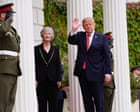
During an official visit to the Republic of Ireland, US President Donald Trump made headlines by publicly expressing his support for a united Ireland. The American leader's comments about Irish unification sparked immediate controversy, drawing sharp responses from both the British government and Northern Ireland's unionist political establishment.
Trump stated that he would "love" to see the island reunified, adding that since unification will eventually occur, "it may as well happen now." His remarks represented an unusually direct intervention by a sitting US president in what remains a sensitive political matter for both Ireland and the United Kingdom.
International Political Reactions
The Trump statement regarding Irish unification immediately triggered diplomatic responses from multiple parties. The UK government promptly rejected the president's comments, reaffirming its position on the constitutional status of Northern Ireland. Northern Ireland's unionist political leaders, who oppose Irish unification, similarly distanced themselves from Trump's perspective on this complex issue.
Political observers noted that Trump's intervention marked a notable departure from typical diplomatic restraint shown by American presidents when addressing the constitutional future of the island. The remarks occurred early in his two-day visit to Ireland, setting the tone for the remainder of his trip.
The Constitutional Question
The issue of Irish unification remains one of the most contentious political questions in Irish history and contemporary politics. The partition of Ireland, established nearly a century ago, created the independent Irish Free State, later becoming the Republic of Ireland, while Northern Ireland remained part of the United Kingdom.
Irish unification has long been a central goal for Irish nationalists, while unionists in Northern Ireland maintain strong ties to the United Kingdom. The Good Friday Agreement, signed in 1998, provided a framework for peace but left the constitutional question unresolved, allowing for the possibility of a future border poll on unification.
Trump's Ireland Visit Context
The US president's comments emerged during the opening moments of his two-day visit to the Republic of Ireland. The visit represented Trump's engagement with the Irish government and people, though his intervention on the constitutional question dominated early coverage of the trip.
Irish-American relations remain significant for American presidents, given the substantial Irish-American population in the United States. However, Trump's direct commentary on Irish unification appeared to exceed typical diplomatic boundaries, prompting widespread discussion about the appropriate role of American presidents in commenting on internal constitutional matters affecting Ireland and the United Kingdom.
Historical Significance and Future Implications
Trump's statement added an unexpected dimension to ongoing debates about Irish unification. While polls show varying levels of support among Irish voters for unification, the question remains complex and involves considerations of economics, culture, identity, and governance. The Belfast Agreement established a mechanism for holding a border poll on unification, though no specific timeline has been determined.
The president's endorsement of Irish unification, while unexpected, reflects broader international interest in how the UK-Ireland relationship evolves following Brexit and other recent political changes. The comments sparked renewed discussion among political observers about whether external actors should weigh in on such fundamental constitutional questions.