.
Trump, Putin, Xi Alliance: A New Geopolitical Era?
The Trump, Putin, Xi alliance emerging from recent international summits has sparked intense debate about the future of global power dynamics. As western leaders convene to address pressing issues like Ukraine and European integration, a parallel gathering of major eastern powers raises fundamental questions about the direction of world politics and Europe's role within it.
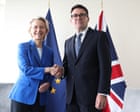
Andy Burnham's diplomatic mission across Berlin and Brussels this week underscores European concerns about maintaining relevance in an increasingly multipolar world. His discussions focus on strengthening Ukraine support and deepening European Union ties with the United Kingdom, reflecting traditional western security priorities. Yet these efforts occur against the backdrop of significant geopolitical developments that may reshape international relations for years to come.
The APEC Summit and Eastern Bloc Dynamics
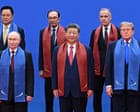
The Trump, Putin, Xi alliance narrative gained momentum following high-profile encounters at the Asia-Pacific Economic Cooperation (APEC) summit in China. These meetings, whether symbolic or substantive, represent a concentration of power among leaders who collectively influence vast economic and military resources. The optics alone have prompted serious analysis about whether this signifies genuine strategic coordination or merely effective diplomatic positioning.
China's hosting of the APEC summit provided an ideal platform for these encounters. Xi Jinping's domestic position continues to strengthen, while Vladimir Putin navigates Western sanctions through deepened Asian partnerships. Donald Trump's participation in such gatherings, particularly involving Russia and China simultaneously, carries profound implications for NATO, transatlantic relations, and European security architecture.
Europe's Diplomatic Response and Strategic Concerns
European leaders face a critical juncture. The continent's traditional reliance on transatlantic security guarantees faces scrutiny as American foreign policy potentially reorients toward bilateral dealings with Asian powers. Burnham's mission represents efforts to consolidate European positions independently and explore alternative pathways for strengthening continental unity.
The European Union's reset discussions with the United Kingdom signal attempts to build robust regional frameworks that remain credible regardless of broader geopolitical shifts. These conversations address trade relationships, security cooperation, and shared values that have historically anchored European stability. However, they also betray recognition that Europe cannot assume unchanged American commitment to traditional alliances.
Power Dynamics and Strategic Realignment
Analysis suggests the Trump, Putin, Xi alliance reflects deeper structural changes in global affairs rather than merely transient political alignments. Russia's economic integration with Asian markets, China's expanding technological and military capabilities, and shifting American foreign policy priorities create conditions for genuine realignment. Europe must navigate these currents while maintaining internal cohesion and external credibility.
The concentration of geopolitical attention on Asia-Pacific issues deserves serious consideration. Trade volumes, technological competition, and resource security increasingly define great power competition in this region. If this trajectory continues, European concerns may receive diminished priority in calculations of major powers, fundamentally altering diplomatic leverage and security equations.
Assessing the Real from the Rhetorical
Distinguishing genuine strategic partnerships from carefully orchestrated photo opportunities remains challenging in contemporary international relations. The Trump, Putin, Xi alliance may represent substantive coordination on regional issues, economic cooperation, or security matters. Alternatively, media coverage may have amplified symbolic gestures into perceived alliances that lack concrete institutional backing.
Intelligence assessments and diplomatic analysis will ultimately determine whether these encounters signal meaningful realignment or represent standard great power maneuvering. What appears clear is that Europe cannot assume passive roles in unfolding developments. Active engagement, strategic clarity, and unified positioning become increasingly essential as global power distribution undergoes potentially significant redistribution.
Future Implications for European Strategy
Europe's response to the Trump, Putin, Xi alliance will shape continental influence for the coming decade. Strengthening internal economic and security capacities, developing independent capabilities, and building strategic autonomy emerge as priorities. Simultaneously, maintaining transatlantic relationships while exploring pragmatic engagements with rising powers requires sophisticated diplomacy.
The meetings between western leaders in Berlin and Brussels represent necessary responses to changing circumstances. These conversations establish frameworks for European action independent of American decisions while preserving valued partnerships. Whether such efforts prove sufficient depends on how fundamentally global power distributions shift and whether the Trump, Putin, Xi alliance develops into institutionalized coordination or remains episodic engagement.
As geopolitical currents shift, Europe's historical influence and strategic positioning face genuine tests. The coming months will reveal whether current diplomatic efforts succeed in maintaining European relevance or whether the balance of global power permanently tilts toward Asian centers of gravity.