.
.
Trump's Executive Order on Childhood Vaccines
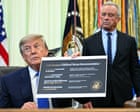
The Trump administration has introduced a significant executive order that fundamentally alters how childhood vaccines are administered and recommended across the United States. This Trump vaccine executive order represents a major departure from established immunization protocols developed by medical professionals and health agencies over decades. The directive calls for substantial modifications to vaccination schedules, potentially affecting millions of American families and raising important questions about public health outcomes.
Key Changes in Vaccination Protocols
The executive order introduces several notable changes to current vaccination practices. One of the most significant modifications involves the measles, mumps and rubella (MMR) vaccine, which would be separated into three individual injections rather than administered as a combined dose. Additionally, the policy mandates that all childhood immunizations be given during separate medical visits "to the maximum extent feasible," rather than the current practice of administering multiple vaccines during single appointments.
The overall effect would be a reduction in the total number of vaccines recommended to children, consolidating various immunizations that are currently part of standard pediatric care. These changes would require families to make more frequent visits to healthcare providers and extend the timeline for completing vaccination schedules.
Scientific Foundation and Medical Evidence
A critical question surrounding Trump's vaccine executive order concerns the scientific basis for these recommendations. The current vaccination schedule recommended by health authorities is based on decades of clinical research, epidemiological data, and safety monitoring. Medical professionals have extensively studied the combination vaccines and determined that they provide optimal protection while minimizing appointment burden on families.
The separation of the MMR vaccine and reduction of recommended vaccines represent significant departures from evidence-based medicine. Major health organizations have consistently confirmed the safety and efficacy of combination vaccines and have established that administering multiple vaccines during a single visit does not compromise immune response or increase adverse effects.
Potential Impact on Vaccination Rates
Healthcare experts express concern that Trump's vaccine executive order could substantially lower childhood vaccination rates across the United States. The requirement for multiple separate visits creates logistical challenges for families, particularly those with limited time, transportation difficulties, or inconsistent access to healthcare providers. Parents juggling work, childcare, and other responsibilities may find it increasingly burdensome to schedule numerous individual appointments.
When vaccination rates decline, communities lose the protection provided by herd immunity. This threshold, typically requiring 85-95% immunization depending on the disease, ensures that even individuals who cannot be vaccinated due to medical contraindications remain protected through community immunity.
Risk of Resurgence in Preventable Diseases
Public health officials warn that lower vaccination compliance could trigger outbreaks of diseases that have been controlled or eliminated in the United States. Measles, for example, was declared eliminated in the US in 2000, but recent years have seen intermittent outbreaks in communities with lower vaccination rates. Mumps and rubella pose similar risks if immunization coverage declines significantly.
The consequences of reduced vaccination rates extend beyond individual cases. Communities could experience substantial outbreaks of preventable diseases, straining healthcare systems and potentially resulting in serious complications, including mortality. Vulnerable populations—infants too young for vaccination, immunocompromised individuals, and those with legitimate medical contraindications—would face elevated risk.
Broader Implications for Public Health
Trump's vaccine executive order carries implications that extend beyond childhood immunizations. The decision signals a departure from evidence-based policymaking in healthcare and potentially influences public confidence in established medical recommendations. Healthcare providers face challenges in communicating the necessity of the current vaccination schedule while adapting to new government directives that contradict their professional judgment.
The policy may also impact global health efforts. The United States has historically provided leadership and resources for vaccine initiatives worldwide. Changes to domestic vaccination policies could influence international vaccination programs and undermine confidence in global immunization efforts supported by American health institutions.
Healthcare System Challenges
Implementation of Trump's vaccine executive order will create operational difficulties for healthcare providers. Pediatric offices will require additional appointment slots and longer scheduling timelines to accommodate separate vaccination visits. This administrative burden could strain resources, particularly in underserved areas with limited healthcare infrastructure.
Moving Forward
The long-term effects of this Trump vaccine executive order on American public health remain to be seen. Medical professionals, public health agencies, and healthcare advocates will need to work collaboratively to mitigate potential negative consequences while implementing required policy changes. Close monitoring of vaccination rates and disease surveillance will be essential during this transition period.