 .
.
Typhoon Bavi Poses Severe Risk to East Asian Region
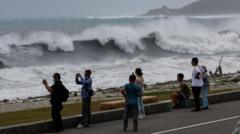
Typhoon Bavi East Asia faces an unprecedented meteorological threat as this colossal weather system advances toward the region. The massive typhoon, spanning approximately 1,000 kilometers in width, is intensifying as it moves closer to Taiwan and southeastern China, prompting authorities across multiple nations to activate emergency protocols and evacuation procedures. Forecasters have issued warnings that Typhoon Bavi could become one of the most destructive storms experienced in recent decades, causing widespread devastation across populated areas.
Destructive Impact Already Visible in the Philippines
The Philippines has already experienced catastrophic consequences from the approaching storm system. Severe landslides triggered by heavy precipitation have claimed at least 15 lives, with rescue operations continuing in affected mountainous regions. The tragedy underscores the vulnerability of communities situated in geologically unstable areas when facing extreme weather conditions. Emergency responders are working around the clock to locate missing persons and provide medical assistance to those injured during the geological disasters.
Regional Response and Evacuation Efforts
Government agencies throughout East Asia are mobilizing resources to prepare for Typhoon Bavi's arrival. Taiwan's meteorological department has issued red alerts for coastal regions, recommending immediate evacuation from vulnerable settlements near shorelines. Chinese provincial authorities in the southeastern provinces have established shelters and distributed emergency supplies to residents in the typhoon's projected path. Community leaders are coordinating with military units to ensure adequate disaster response capacity.
Meteorological Analysis and Storm Characteristics
Scientific assessment indicates that Typhoon Bavi possesses extraordinary structural characteristics that distinguish it from typical seasonal storms. The system's massive spatial extent combined with intensifying atmospheric pressure creates conditions favorable for sustained high-velocity winds and torrential rainfall. Meteorologists emphasize that the combination of extreme wind speeds and excessive precipitation poses dual threats: direct structural damage from wind forces and secondary hazards including flooding and soil instability that trigger landslides.
Rainfall Projections and Flood Risks
Forecasting models suggest Typhoon Bavi will deliver precipitation exceeding 300 millimeters across certain localities within 24 to 48 hours. Such concentrated rainfall significantly increases flood potential, particularly in low-lying regions and river valleys with limited drainage capacity. Agricultural areas face substantial crop losses, while urban infrastructure including bridges, roads, and utility networks face inundation risks that could disrupt services for extended periods following the storm's passage.
Preparedness Measures and Public Safety Protocols
Regional governments have activated comprehensive disaster management strategies to minimize casualties and property damage. Public communications campaigns advise residents to secure homes, stock emergency provisions including water and non-perishable food items, and maintain battery-powered communication devices. Schools and government offices have suspended operations, allowing resources to concentrate on protective measures rather than routine activities. Healthcare facilities have increased staffing levels and stockpiled medical supplies in anticipation of treating storm-related injuries.
International Coordination and Humanitarian Concerns
International organizations are monitoring the situation closely, offering technical assistance and coordinating potential humanitarian relief efforts. Regional weather agencies maintain continuous communication regarding storm tracking data, ensuring consistent messaging to the public. The scale of potential impacts has prompted neighboring nations to prepare cross-border assistance mechanisms, recognizing that disaster consequences may exceed individual nation capacity to respond effectively.
Historical Context and Storm Significance
Meteorological records indicate that typhoons of Typhoon Bavi East Asia's projected intensity occur infrequently, typically separated by decades. The last storm of comparable magnitude in this region occurred several decades ago, making this system historically significant for contemporary weather tracking. Comparison with historical typhoons reveals that structural characteristics match or exceed storms that previously caused billions in damages and claimed hundreds of lives, emphasizing the exceptional nature of current conditions.
Communities throughout the region remain vigilant as Typhoon Bavi approaches, with emergency services maintaining heightened alert status. The coming days will determine the precise impact, but current forecasts universally suggest significant challenges ahead for East Asian populations in the storm's path.


