.
Political Controversy Surrounding UK-Europe Relations
UK politics has become consumed by heated debate over Brexit and future relations with Europe following significant agreements on trade and youth mobility concluded this week. The controversy centres on Andy Burnham's comments regarding potential closer ties with the European Union, which have drawn sharp criticism from prominent political figures, most notably former Prime Minister Theresa May.
The UK politics landscape continues to be shaped by divisions over how Britain should navigate its post-Brexit relationship with continental Europe. These disagreements have dominated Sunday morning broadcasts as senior government officials defend their positions on the matter.
Theresa May's Criticism and Burnham's Position
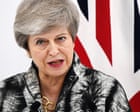
Theresa May has expressed her disapproval of Burnham's suggestions regarding EU relations, arguing that political figures should focus on moving forward rather than revisiting Brexit discussions. Her comments reflect a broader concern within certain political circles that continued debate about European integration could undermine the government's current direction and international negotiations.
The former Prime Minister's intervention highlights the persistent tensions within British politics over how to interpret and implement the results of the 2016 referendum. While some politicians advocate for pragmatic engagement with European partners on specific issues, others maintain that such discussions risk reopening wounds from the divisive Brexit campaign.
Government's Russia and Ukraine Stance
European Relations Minister Hamish Falconer used his appearance on Sky News to address broader international concerns, particularly regarding relations with Russia. Falconer condemned recent controversial statements made by an international figure who had characterised Vladimir Putin as a friend, calling the Russian president a "butcher" and denying any suggestion that Putin represents an ally of the United Kingdom.
Falconer emphasised that across the entire political spectrum, British politicians remain unified in their support for Ukraine against Russia's military aggression. His intervention demonstrates that despite disagreements over Brexit and EU relations, consensus exists on issues of international security and democratic values. The minister articulated the government's firm position that Putin's actions constitute a barbaric and illegal war that merits unequivocal condemnation.
Prime Minister's Response on International Relations
The Prime Minister maintains regular communication with international counterparts, specifically addressing concerns about Britain's traditional alliance relationships. Officials close to the government have indicated that the leadership is uncompromising in expressing British public sentiment regarding Russia's invasion of Ukraine, leaving no ambiguity about the nation's moral and political opposition to Moscow's actions.
Senior government figures have expressed deep concern about the direction of international politics, particularly the potential shift away from American leadership in defending democratic freedoms and human rights. These statements reflect anxiety about the broader global context in which UK politics must operate, particularly regarding security partnerships and international cooperation.
Youth Mobility and European Cooperation
Among the agreements reached this week, provisions for youth mobility between Britain and European nations have emerged as a significant point of discussion. These arrangements would enable young British citizens to live, work, and study across European countries, while simultaneously allowing young Europeans to access similar opportunities within the United Kingdom.
Proponents of these schemes argue that such programmes address practical challenges facing younger generations while maintaining Britain's ability to engage constructively with European partners on mutually beneficial terms. This approach attempts to balance concerns about immigration and sovereignty with recognition of the legitimate interests of young people seeking international experience and opportunity.
Addressing Youth Unemployment and Opportunity
Discussion of youth mobility initiatives has intersected with broader policy debates regarding youth unemployment and long-term career development. References to the NEET demographic—young people not in education, employment, or training—have featured prominently in recent policy discussions, with government representatives suggesting that addressing this challenge can proceed alongside facilitating European mobility opportunities.
Political commentators and policymakers have suggested that investment in domestic skills development and education need not conflict with enabling young citizens to pursue opportunities abroad. This nuanced position reflects an attempt to navigate between competing political demands and economic necessities facing modern Britain.
Conclusion
The current state of UK politics demonstrates that while consensus exists on fundamental issues such as opposition to Russian aggression, significant disagreement persists regarding Britain's optimal relationship with Europe. These debates will likely continue shaping policy discussions and political dynamics throughout the coming months as the government pursues its strategic objectives.