.

Government Launches Three-Day Emergency Stockpiling Campaign
The UK government has initiated a comprehensive campaign recommending citizens to prepare for potential emergencies by assembling three days' worth of essential supplies. This government stockpiling emergency supplies initiative addresses growing concerns about national security threats, climate-related disasters, and other unforeseen crises that could disrupt normal services. The campaign encourages households across Britain to take proactive measures in building their own reserves of critical items.
The timing of this official guidance coincides with heightened awareness regarding Russian state-sponsored threats and the escalating impacts of climate change on infrastructure. Government officials have emphasized that government stockpiling emergency supplies represents a practical, preventative approach to ensuring household resilience during periods of disruption or crisis scenarios.
What British Households Are Stockpiling
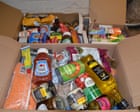
UK residents responding to the government guidance are assembling diverse collections of essential items designed to sustain their families during extended emergencies. Common items being stockpiled include tinned foods with extended shelf lives, bottled water for drinking and sanitation purposes, pharmaceutical supplies and over-the-counter medications, backup power banks for charging electronic devices, and toilet paper reserves.
Beyond these basics, many households are also acquiring dried foods, ready-to-eat meal packages, first aid kits, flashlights with batteries, portable radios, and important documents stored in waterproof containers. The variety of items reflects the multifaceted nature of potential emergencies, from temporary power outages to more extended supply chain disruptions.
Proactive Residents Getting Ahead of Schedule
Several UK residents have already begun implementing comprehensive emergency preparedness strategies that exceed government recommendations. These early adopters are treating government stockpiling emergency supplies guidance as an opportunity to thoroughly evaluate their household vulnerability and implement systematic preparation plans.
Families taking a proactive approach are not only gathering the recommended three-day supplies but are extending their preparedness horizons to encompass one to two-week emergency reserves. This enhanced level of preparation reflects growing public recognition that modern crises can extend beyond brief interruptions, potentially affecting utilities, food distribution networks, and medical services for extended periods.
Understanding the Government's Preparedness Rationale
The government's campaign represents an official acknowledgment of emerging threats to national infrastructure and citizen welfare. Security officials have publicly warned about potential Russian state-sponsored terrorism targeting critical infrastructure, while climate scientists continue to document increasingly severe weather events affecting the United Kingdom.
By recommending modest three-day emergency supplies, the government aims to build population-wide resilience without creating widespread panic or economic disruption. The approach balances practical preparedness with social stability, encouraging responsible planning rather than frantic hoarding behavior.
Climate Crisis and Infrastructure Vulnerability
Environmental experts have highlighted how climate change impacts infrastructure reliability in Britain. Extreme weather events, flooding, and severe storms have demonstrated the vulnerability of power grids, water systems, and transportation networks. Government stockpiling emergency supplies campaigns acknowledge these environmental realities and encourage households to prepare accordingly.
The interconnection between climate instability and infrastructure fragility underscores why emergency preparedness has become a mainstream policy concern rather than niche survivalism.
Implementation Tips for UK Households
For households beginning their emergency preparedness journey, experts recommend starting with basic categories: water (one liter per person daily), non-perishable foods, medications, important documents, communication devices with backup power, first aid supplies, and sanitation items. Organizing supplies in accessible locations ensures families can quickly retrieve them during actual emergencies.
Rotation of supplies remains essential, with households periodically replacing expired items and updating medication stocks. This systematic approach maintains preparedness without excessive waste or resource depletion.
Public Response and Cultural Attitudes
The government's official campaign has legitimized personal emergency preparedness in British culture, transitioning it from perceived eccentricity to mainstream responsible citizenship. This shift in perception has encouraged broader household participation in government stockpiling emergency supplies initiatives.
Retailers report increased demand for long-shelf-life foods, water containers, and backup power solutions as more households take the government guidance seriously and implement practical preparedness measures.