 .
.
Deliberate Russian Assault on Kyiv Infrastructure
Russia has intensified its military campaign against Ukraine's capital through what officials describe as a strategically coordinated assault on critical infrastructure networks. The overnight barrage on Kyiv has resulted in significant casualties and widespread disruption to essential services that residents depend on daily. The Russian bombardment represents an escalation in targeting vital civilian utilities, according to local authorities overseeing the city's emergency response efforts.
Death Toll and Immediate Casualties
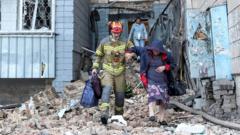
At least 17 individuals lost their lives during the overnight assault on Kyiv, according to preliminary reports from municipal officials. The scale of the attack underscores the intensity and scope of the Russian military operations targeting the Ukrainian capital. Emergency services continue assessing the full extent of casualties and injuries sustained during the massive barrage, which struck multiple locations throughout the metropolitan area.
Hot Water Supply Disruption
Among the most immediate concerns for residents is the disruption to the hot water supply system across significant portions of Kyiv. Mayor Vitali Klitschko publicly warned residents about the interruption to this essential service, which affects hundreds of thousands of people in the Ukrainian capital. The targeting of heating and water infrastructure represents a concerning pattern in Russian military tactics, deliberately hampering civilian access to basic utilities during the ongoing conflict.
Mayor's Assessment of the Attack
Vitali Klitschko, the mayor of Kyiv, characterized the overnight strikes as deliberately aimed at critical infrastructure rather than military targets. His statement emphasizes that Russian forces are concentrating firepower on civilian systems that sustain daily life in the capital city. This systematic approach to targeting essential services distinguishes the assault from operations focused on military installations or strategic defense positions.
Infrastructure Vulnerability and Strategic Implications
The repeated targeting of critical infrastructure in Kyiv reveals a strategic approach within the Russian military campaign. By disrupting water, heating, and power systems, Russian forces aim to degrade living conditions and create pressure on the civilian population. The vulnerability of these systems to aerial bombardment has become increasingly apparent throughout the conflict, prompting Ukrainian authorities to implement protective measures and develop contingency plans.
Emergency Response and Recovery Efforts
Kyiv's municipal services and emergency responders mobilized immediately following the overnight attack to address casualties and infrastructure damage. Recovery teams worked to restore essential services, particularly the hot water supply network that serves a substantial portion of the urban population. The coordinated response demonstrates the preparedness of local authorities to handle large-scale attacks, though each assault creates new challenges for restoration efforts.
Humanitarian Impact on Residents
The disruption to hot water supplies creates significant hardship for Kyiv residents, particularly vulnerable populations including elderly citizens and families with young children. During cold weather periods, access to hot water becomes a critical necessity for hygiene and health. The deliberate targeting of such systems raises humanitarian concerns about the welfare of civilians caught in the conflict zone.
Continuing Threat Assessment
The ongoing pattern of Russian strikes on Kyiv's critical infrastructure indicates a sustained military campaign focused on degrading urban systems. Officials remain vigilant for additional attacks and continue implementing defensive measures to protect vital infrastructure networks. The psychological and practical impact of living under threat of infrastructure strikes affects the entire population of the Ukrainian capital.


