 .
.
Ukraine's Top Military Commander Removed from Position
Ukraine's military leadership underwent significant restructuring as the nation's most senior military commander faced dismissal amid mounting public pressure and controversy. The removal of the country's leading defense officer marks a critical moment for the armed forces during an ongoing conflict, highlighting tensions within the nation's command structure and government leadership decisions.
Background of the Leadership Crisis
The dismissal came following days of widespread protests and vocal criticism regarding personnel changes within Ukraine's defense establishment. Public discontent centered on the removal of Defence Minister Mykhailo Fedorov, a popular figure whose departure had triggered considerable backlash from civilians and military personnel alike. The reversal of his position became a focal point for broader concerns about military strategy and governmental direction.
Oleksandr Syrskyi's Role and Impact
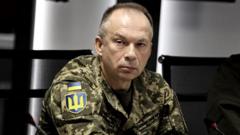
Oleksandr Syrskyi held the highest military rank and wielded considerable influence over strategic military operations. As Ukraine's top commander, Syrskyi was responsible for coordinating defense operations and overseeing the armed forces' command structure. His position carried significant weight in determining military policy and operational decisions affecting the nation's security posture.
The Fedorov Controversy and Public Response
The initial decision to remove Defence Minister Mykhailo Fedorov proved deeply unpopular among the Ukrainian public. Fedorov, who had gained considerable respect and support during his tenure, represented continuity and strong leadership in the eyes of many citizens. The announcement of his departure sparked immediate protests and expressions of disapproval across social media platforms and public gatherings.
This public outcry demonstrated the emotional investment Ukrainians held in their defence leadership. The removal of such a prominent figure raised questions about the decision-making processes within government circles and whether military personnel changes aligned with public expectations and national defense priorities.
Pressure Leading to Commander's Dismissal
Days of sustained protests and criticism created mounting pressure on government officials to reconsider their personnel decisions. The public response to Defence Minister Fedorov's removal grew increasingly vocal, with demands for accountability and reconsideration of military leadership changes. This sustained pressure ultimately contributed to the decision to remove Ukraine's top military commander.
The sequence of events reflected deeper tensions within Ukraine's defense establishment and government structures. Officials faced a delicate balance between maintaining operational military priorities and responding to public sentiment regarding leadership appointments and removals.
Implications for Military Operations
Leadership changes at the highest military levels carry significant implications for operational continuity and strategic planning. The removal of Ukraine's top commander raises questions about the timing of such decisions and their potential impact on ongoing defense operations. Military analysts and observers expressed concerns about potential disruptions to command structures and decision-making processes.
The transition period following such significant leadership changes typically requires careful management to ensure minimal disruption to military readiness and operational effectiveness. Establishing clear lines of command and maintaining morale among troops becomes increasingly important during moments of institutional reorganization.
Government Response and Future Direction
Ukraine's government faced the challenge of managing military leadership transitions while maintaining public confidence in defense institutions. Officials needed to address public concerns while ensuring that military operations continued without significant compromise. The dismissal of the top commander represented an attempt to restore public trust and demonstrate responsiveness to civilian concerns.
The reshuffling of military leadership reflected the complex pressures facing Ukrainian authorities, who must balance military effectiveness with political considerations and public opinion. Future appointments and organizational changes would be closely scrutinized by both the public and international observers monitoring Ukraine's defense capabilities.
Broader Context of Defense Institution Changes
Personnel changes within Ukraine's military hierarchy occurred within the broader context of ongoing conflict and the need for effective coordination among defense institutions. The events surrounding Mykhailo Fedorov's removal and Oleksandr Syrskyi's dismissal highlighted the interconnected nature of military and political decision-making at the highest governmental levels.
These developments underscored the importance of maintaining cohesive leadership structures while remaining responsive to public concerns and maintaining operational military effectiveness. Ukraine's military command would need to navigate these institutional changes while sustaining its defense operations and strategic objectives.


