 .
.
Ukrainian Attack 2026: Russia Reports Significant Casualties
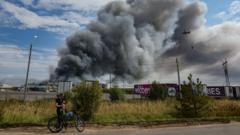
Russian officials have announced that a major Ukrainian attack resulted in at least seven deaths, marking the largest military strike conducted by Ukrainian forces during 2026. This Ukrainian attack represents a significant escalation in the ongoing hostilities between the two nations, drawing international attention to the intensifying conflict.
The attack occurred during a period of heightened tensions along the Russia-Ukraine border, where military operations have continued with increasing frequency and intensity. Reports indicate that the Ukrainian strike targeted strategic locations within Russian territory, causing considerable damage and loss of life.
Moscow's Retaliatory Response
In response to the Ukrainian assault, Moscow launched its own series of deadly strikes against Ukrainian targets overnight. These retaliatory measures resulted in widespread destruction and fires across multiple areas of the capital city of Kyiv, one of Ukraine's most densely populated urban centers.
The fires that erupted following the Russian strikes spread across various districts of Kyiv, forcing emergency response teams to mobilize rescue and firefighting operations throughout the night. Residents in affected areas were forced to seek shelter as the attacks continued, with the extent of damage still being assessed by Ukrainian authorities.
Escalation of Military Operations
This exchange of attacks exemplifies the dangerous cycle of military escalation that has characterized the 2026 conflict between Russia and Ukraine. Both nations have demonstrated their willingness to strike deep into each other's territory, targeting civilian and military infrastructure alike.
The Ukrainian attack that killed seven individuals in Russia represents a strategic shift in tactics, suggesting an intensification of offensive operations beyond the previous scope of military engagement. Meanwhile, Russia's retaliatory strikes on Kyiv demonstrate the vulnerability of civilian populations to aerial bombardment.
Impact on Civil Infrastructure
Kyiv, Ukraine's largest metropolitan area and political center, has become an increasingly frequent target of military operations. The fires resulting from the overnight strikes threatened critical infrastructure and residential buildings, creating humanitarian concerns for millions of residents.
Emergency services worked throughout the night to combat the spreading fires and provide assistance to those affected by the attacks. The scale of destruction indicates that both military and civilian areas were impacted by the strikes, though exact casualty figures remained unclear as investigations continued.
International Implications
The escalation of attacks on both sides of the Russia-Ukraine conflict continues to have ramifications beyond the immediate region. The largest Ukrainian attack of 2026 and subsequent Russian retaliation underscore the persistent threat posed by the ongoing war to regional stability and international security.
The pattern of tit-for-tat military strikes suggests that de-escalation efforts have yielded limited success, with both nations committed to prosecuting their military objectives. This situation raises concerns among neighboring countries and international observers about the potential for further expansion of hostilities.
Current Situation Assessment
As of the latest reports, damage assessments and casualty counts were still being compiled by both Russian and Ukrainian authorities. The full scope of injuries and material damage from both the Ukrainian attack and subsequent Moscow strikes remained under investigation.
The events of 2026 have demonstrated that the Russia-Ukraine conflict continues to evolve with increasingly destructive capabilities on both sides. Military analysts note that the sophistication and coordination of these attacks suggest significant resources and strategic planning, indicating that neither side shows signs of seeking immediate cessation of hostilities.


