 .
.
Ukrainian Drone Strikes Hit Russian E-Commerce Warehouses
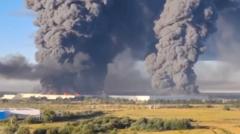
Ukrainian drone strikes Russian warehouses have escalated the conflict between the two nations, with unmanned aerial vehicles targeting critical logistical infrastructure operated by one of Russia's largest online retailers. The coordinated assault focused on Wildberries distribution centers strategically located near Moscow and in the Tambov region, marking a significant shift in Ukraine's operational strategy against Russian commercial supply chains.
Wildberries Facilities Under Attack
The Ukrainian drone strikes targeted Wildberries logistics hubs, which serve as crucial distribution nodes for Russia's dominant e-commerce marketplace. These facilities process orders and manage inventory for millions of Russian customers daily. The choice of Wildberries locations reflects a deliberate effort to disrupt supply chains that support Russia's domestic economy and consumer goods sector.
Strategic Importance of Moscow and Tambov Locations
The facilities near Moscow and in Tambov hold particular significance within Russia's logistics network. Moscow's warehouse complex represents a central hub for nationwide distribution, while the Tambov facility extends Wildberries' reach into central Russia. Both locations are critical nodes that affect the retailer's ability to fulfill orders across vast territories.
Ukrainian Leadership's Assessment
Ukrainian President Volodymyr Zelenskyy characterized the attacked warehouses as major logistics facilities essential to Russia's supply operations. According to his statements, these distribution centers play a vital role in supplying sanctioned components to Russian industries and military-adjacent sectors. The designation of these facilities as legitimate military targets reflects Ukraine's interpretation of their strategic value in sustaining Russia's economy during wartime.
Sanctioned Components and Supply Chains
Zelenskyy emphasized that Ukrainian drone strikes targeted Russian warehouses because they allegedly handle restricted materials and prohibited technological components. The claim suggests that Wildberries facilities function as distribution points for goods that circumvent international sanctions imposed on Russia. This aspect underscores Ukraine's strategy of targeting infrastructure that supports Russia's evasion of economic restrictions.
Operational Impact on E-Commerce
The attacks on Wildberries logistics centers carry significant implications for Russia's e-commerce sector. Disruptions to these warehouses affect inventory management, order fulfillment, and customer deliveries across the country. The strikes demonstrate Ukraine's capability to project power beyond traditional military targets and into civilian commercial infrastructure.
Broader Context of the Conflict
These Ukrainian drone strikes represent part of a broader campaign to weaken Russia's economic capacity and supply chains. By targeting logistics facilities operated by major retailers, Ukraine aims to impose economic costs on Russia while demonstrating its military reach deep into Russian territory. The operations reflect an evolving conflict that extends beyond conventional battlefield engagements.
International Perspective
The strikes have drawn attention from international observers monitoring the conflict's economic dimensions. Military analysts note that targeting commercial logistics infrastructure represents a tactical escalation that blurs traditional distinctions between military and civilian targets. Various nations and international organizations are evaluating the implications of such operations for broader conflict dynamics.
Ongoing Developments
As Ukrainian drone strikes continue targeting Russian warehouses and logistics facilities, the situation remains fluid and subject to further escalation. The attacks on Wildberries and similar infrastructure suggest a sustained Ukrainian campaign against Russia's supply chain vulnerabilities. Military observers expect continued operations against logistics networks that sustain Russia's economy and military operations.


