 .
.
United States Takes Strategic Step: Syria Removed from Terrorism Sponsors List
In a significant diplomatic shift, the United States has made the decision to remove Syria from its official list of state sponsors of terrorism. This consequential move reflects evolving geopolitical calculations and represents a major turning point in American foreign policy toward the Middle Eastern nation. The removal of Syria from this designation carries substantial implications for international relations and regional stability.
New Political Landscape Shapes US-Syria Relations
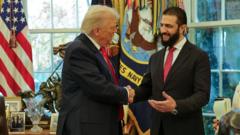
The Trump administration's approach toward Syria has fundamentally transformed with the emergence of new leadership in Damascus. The current Syrian president, Ahmed al-Sharaa, represents a departure from previous governance structures. His background and political positioning have prompted American policymakers to reassess their stance on the nation's international standing. This reassessment culminated in the decision to remove Syria from the terrorism sponsors list, signaling Washington's willingness to engage with the evolving Syrian government.
Strategic Recognition of Leadership Change
The decision to remove Syria reflects American acknowledgment of significant political transitions within the country. The Trump administration has demonstrated a pragmatic approach by extending diplomatic recognition to Syria's transformed governmental structure. This recognition goes beyond mere symbolic gestures; it represents concrete policy shifts that acknowledge the changing nature of Syrian governance and international positioning.
Diplomatic Implications and Regional Impact
Removing a nation from the state sponsors of terrorism list carries substantial diplomatic weight and opens pathways for normalized relations. This designation removal enables enhanced trade possibilities, diplomatic engagement, and potential cooperation on regional security matters. The broader implications extend throughout the Middle East, where such decisions influence the balance of power and international relationships.
Economic and Trade Considerations
The removal from the terrorism sponsors list removes various economic and trade restrictions that had previously constrained bilateral commerce and financial transactions. This development potentially creates opportunities for American businesses and investors interested in Syrian markets. Moreover, it signals to international partners that the United States views Syria's governance as sufficiently reformed to warrant reconsideration of long-standing sanctions and restrictions.
Historical Context and Previous Designations
Syria's placement on the state sponsors of terrorism list had represented a cornerstone of American Middle East policy for decades. This lengthy designation reflected concerns about the nation's historical associations with various militant organizations and its geopolitical alliances. The decision to remove Syria now represents a substantial departure from that historical policy framework, indicating transformed assessments of the nation's role and intentions in regional affairs.
Timeline of Policy Evolution
Understanding the significance of removing Syria requires considering the extended period during which the nation maintained this controversial designation. The duration and consistency of this classification shaped American policy, military strategy, and diplomatic engagement throughout multiple administrations. The current reversal therefore represents not merely a procedural adjustment but rather a fundamental recalibration of American strategic interests in the Middle East.
International Community Response
The United States' decision to remove Syria from the terrorism sponsors list has generated varied responses from international partners and regional actors. Some nations view this move as a pragmatic recognition of political evolution, while others express caution regarding potential implications. These diverse perspectives reflect the complex nature of Middle Eastern geopolitics and the multiple stakeholders invested in Syria's international status and regional role.
Future Outlook and Normalization Prospects
The removal of Syria from the terrorism sponsors list potentially signals the beginning of broader normalization efforts between the United States and the Syrian government. This diplomatic opening could facilitate discussions on various matters of mutual interest, including counterterrorism cooperation, humanitarian concerns, and regional stability. The coming months and years will likely demonstrate whether this policy shift translates into substantive improvements in bilateral relations and Syrian integration into international frameworks.
The Trump administration's embrace of Syria's new president and its decision to remove the nation from the terrorism sponsors list represent significant developments in American foreign policy. These moves reflect a recalibration of priorities and a recognition of changing circumstances in Syrian governance. As this policy unfolds, observers will closely monitor whether this diplomatic opening produces concrete benefits for both nations and contributes to broader regional stabilization efforts.


