 .
.
Venezuela Earthquake Crisis Leaves Hundreds Dead and Missing
A major Venezuela earthquake disaster has resulted in the tragic loss of 920 lives, with rescue operations continuing across affected regions. Families remain desperate for news as emergency services and international aid organizations mobilize resources to locate survivors trapped beneath collapsed structures. The humanitarian crisis has prompted an unprecedented response from the global community, with rescue teams now arriving at the disaster zone to assist local authorities in recovery and search operations.
Search and Rescue Operations Underway
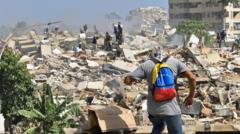
The scale of destruction from the Venezuela earthquake has overwhelmed local emergency response capabilities, requiring immediate international intervention. Hundreds of individuals are still feared to be trapped under extensive rubble across multiple municipalities. Rescue teams equipped with specialized equipment and trained personnel have begun systematic searches through damaged buildings and residential areas. Priority is being given to locations where structural collapse has been most severe, with rescue workers operating around the clock to locate survivors before conditions deteriorate further.
International Aid and Support
Global response to the earthquake disaster has been swift and comprehensive. Multiple nations have dispatched specialized rescue teams, medical personnel, and essential supplies to support Venezuela's overwhelmed infrastructure. International organizations focusing on disaster relief have coordinated logistics to ensure efficient deployment of resources. These external support systems are critical given the scale of destruction and the capacity limitations of local emergency services facing this unprecedented natural disaster.
Challenges Facing Relief Efforts
Rescue operations face numerous obstacles that complicate the recovery process. Damaged infrastructure, including compromised roads and communication networks, hampers coordination between emergency services. Medical facilities in affected areas have been severely impacted, limiting capacity to treat the injured. The Venezuela earthquake aftermath presents additional challenges as families desperately seek information about missing loved ones, while authorities work to establish comprehensive victim registries and identification processes. Environmental hazards, including unstable structures and potential aftershocks, create additional dangers for rescue personnel.
Impact on Communities
Entire neighborhoods have been devastated by the seismic event, with residential buildings flattened and infrastructure severely compromised. Families have lost homes, possessions, and in many cases, loved ones. The psychological trauma accompanying this natural disaster compounds the physical destruction visible across the landscape. Schools, hospitals, and community centers have suffered extensive damage, affecting essential services that survivors desperately need. The emotional toll on survivors, particularly children and elderly residents, presents significant challenges for mental health services already stretched to capacity.
Current Death Toll and Casualty Assessment
Official reports confirm 920 deaths directly attributed to the earthquake disaster, though final casualty figures may increase as rescue teams access previously unreachable areas. Additionally, hundreds remain missing and feared dead beneath collapsed structures. The injury count exceeds several thousand, with many requiring intensive medical care. Medical facilities are overwhelmed with trauma cases, and many injured individuals remain trapped or in dangerous conditions awaiting rescue. Accurate casualty assessment is ongoing as recovery efforts progress throughout affected regions.
Missing Persons Registry
Authorities have established hotlines and digital platforms enabling families to report missing relatives. The Venezuela earthquake response includes coordination centers where individuals can provide information about loved ones and receive updates on rescue progress. International organizations are assisting with identification procedures, utilizing various methods including DNA analysis when necessary. These efforts aim to provide closure to grieving families while documenting the complete human impact of this catastrophic event.
Long-Term Recovery and Reconstruction
Beyond immediate rescue and medical response, officials are beginning to assess reconstruction needs across affected municipalities. Infrastructure damage extends to utilities, transportation networks, and essential services. Housing shortages will likely persist for months or years as reconstruction efforts commence. The earthquake disaster will require sustained international support and significant financial investment to restore communities. Economic recovery presents additional challenges as businesses have been destroyed and workforce capacity has been reduced by casualties and injuries.
Support for Survivors
Humanitarian organizations are establishing shelters for displaced residents and distributing food, water, and medical supplies. Mental health services are being mobilized to address trauma among survivors and rescue workers. Educational institutions are developing plans to resume learning for children affected by the disaster. Economic assistance programs and insurance claims processing will support longer-term recovery for families who have lost property and livelihoods due to the natural disaster.
International Coordination and Response Strategy
The global response to Venezuela's earthquake disaster reflects the scale and severity of the humanitarian crisis. United Nations agencies, regional governments, and humanitarian organizations have coordinated deployment of resources to maximize effectiveness. Search and rescue teams from multiple nations are sharing expertise and equipment to accelerate recovery operations. Medical professionals from around the world are supporting local healthcare systems overwhelmed by casualties requiring emergency treatment and ongoing care throughout this extended emergency response.


