.
.
Virgin Advances Strategic Plans for Channel Tunnel Rail Operations
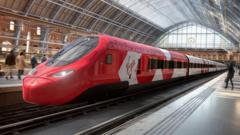
Virgin has reached a significant breakthrough in its ambitions to establish Channel Tunnel rail services connecting the United Kingdom with continental Europe. The transport operator has moved forward with its comprehensive strategy to expand passenger offerings across the English Channel, marking a pivotal moment in the company's international rail development.
Expansion Goals and Service Frequency
The firm has outlined plans to introduce up to 20 daily journeys operating through the Channel Tunnel, substantially increasing connectivity between British and European destinations. This ambitious expansion represents Virgin's commitment to capturing a larger share of the cross-channel passenger market and establishing itself as a key player in international rail transportation.
Such frequency levels would position Virgin competitively within the European rail landscape, offering frequent connections that appeal to both business and leisure travelers. The company believes this service model would enhance travel flexibility and attract significant passenger volumes from the UK market.
Regulatory Approval Requirements
Despite the company's readiness to commence operations, Channel Tunnel rail services expansion requires obtaining additional approvals specifically for overseas track access and operational rights. Virgin must secure authorization from European railway authorities and infrastructure operators before fully implementing its service model.
The regulatory framework governing cross-channel operations is complex, involving coordination between multiple national rail authorities, the Channel Tunnel operator, and European transportation regulators. These oversight bodies must approve Virgin's safety standards, operational procedures, and integration with existing continental rail networks.
Infrastructure and Technical Considerations
Operating through the Channel Tunnel necessitates compliance with stringent technical and safety standards established by international agreements between the United Kingdom and France. Virgin's operational plans must align with existing infrastructure capacity while meeting all regulatory requirements for passenger safety and service quality.
The company has undertaken comprehensive assessment of technical requirements, including train specifications, staffing protocols, emergency procedures, and passenger facilities standards. These preparations demonstrate Virgin's detailed approach to launching reliable and compliant Channel Tunnel rail services.
Market Opportunity and Competitive Landscape
The cross-channel rail market represents significant growth potential, with millions of annual passengers traveling between Britain and continental Europe. Virgin's entry would introduce additional competition while expanding overall market capacity and service options for European travelers.
Current operators have demonstrated consistent demand for these routes, suggesting substantial market opportunity exists for additional service providers. Virgin's proposed frequency and service model would complement existing offerings while appealing to price-conscious and convenience-focused passengers.
Strategic Implications for Virgin's European Expansion
This development represents a cornerstone of Virgin's broader European rail strategy, which extends beyond Channel Tunnel rail services to encompass multiple continental franchises and partnerships. Success in launching cross-channel operations would establish Virgin as a serious contender in European rail markets and create foundation for further expansion initiatives.
The company's investment in cross-channel infrastructure and operations reflects confidence in long-term growth prospects for rail travel between Britain and Europe. Establishing this connection positions Virgin advantageously for pursuing additional European franchise opportunities and deepening its continental presence.
Timeline and Implementation Schedule
While Virgin has not provided specific timelines for service commencement, the company's advance toward regulatory approval suggests implementation could occur within the coming years. The approval process will require careful coordination with transport authorities, safety regulators, and infrastructure managers across international borders.
Virgin continues engaging with relevant authorities to expedite the approval pathway while ensuring compliance with all regulatory requirements. The company's proactive approach demonstrates commitment to moving forward systematically with this significant operational expansion.
Broader Context and Industry Significance
Virgin's advancement toward operating Channel Tunnel rail services comes at a time when European rail transport is experiencing renewed focus and investment. Post-pandemic recovery in travel demand has reinvigorated interest in efficient, sustainable alternatives to aviation for cross-European journeys.
The company's initiative aligns with broader European sustainability objectives promoting rail transport as environmentally preferable transportation mode. Enhanced Channel Tunnel rail services offering increased frequency and competitive pricing could further accelerate modal shift away from aviation and road transport.
This development underscores Virgin's strategic commitment to expanding its transportation portfolio across Europe while responding to evolving passenger preferences and market dynamics in international travel.