 .
.
Nigeria's Vulture Crisis: A Race Against Extinction
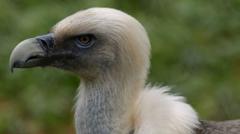
The vanishing vultures in Nigeria represent one of Africa's most pressing conservation challenges. Once abundant across the Nigerian landscape, these magnificent raptors have experienced a dramatic population collapse over the past two decades, threatening the ecological balance of the entire region. The Vulture King, a dedicated conservationist, has emerged as a pivotal figure in the fight to reverse this devastating trend and restore these essential birds to their former numbers.
Despite their critical importance to ecosystems, vultures face unprecedented threats in Nigeria. Poaching, habitat destruction, and cultural beliefs have combined to create a perfect storm of challenges for these species. The situation has become so dire that several vulture populations now teeter on the brink of regional extinction, with some species showing alarming population declines exceeding 90 percent in certain areas.
Understanding the Cultural and Practical Threats
The disappearance of vultures in Nigeria stems from multiple interconnected factors. Traditional beliefs and ritualistic practices have historically driven the hunting of these birds, with some communities viewing them as spiritually significant or powerful symbols. Beyond cultural pressures, the birds face severe ecological challenges including widespread pesticide use, habitat fragmentation, and the loss of suitable nesting and feeding grounds across the country.
Local hunters deliberately target vultures, either for direct sale or for use in traditional ceremonies and medicinal preparations. The practice has become so widespread that some rural communities have organized systematic hunting operations. Additionally, vultures often fall victim to poisoned carcasses left in the landscape, either intentionally or as collateral damage from pest control efforts aimed at other wildlife species.
The Ecological Importance of Vultures
Understanding why these birds matter is fundamental to the conservation mission. Vultures occupy an irreplaceable ecological niche as nature's sanitation workers. These raptors consume carrion and decomposing animal matter that would otherwise become a health hazard, spreading disease and creating public health risks. A single vulture can consume up to 1.4 kilograms of carrion daily, effectively cleaning the environment and preventing the spread of infectious diseases to both wildlife and human populations.
The loss of vulture populations has already triggered visible consequences. In regions where vulture numbers have crashed, carcass accumulation has become a documented problem, leading to increased disease transmission and environmental degradation. Furthermore, the absence of vultures disrupts predator-scavenger relationships throughout entire food webs, with cascading effects on ecosystem stability and biodiversity.
The Vulture King's Conservation Efforts
At the forefront of Nigeria's vulture recovery movement stands the Vulture King, whose multifaceted approach combines education, legal protection, and community engagement. This conservation leader has dedicated years to changing public perception of vultures, transforming them from feared or hunted animals into recognized national treasures worthy of protection.
The Vulture King's strategy includes establishing protected breeding sanctuaries, implementing anti-poaching patrols, and negotiating with traditional leaders to reduce ritual hunting practices. Educational programs have been launched in schools and communities to illuminate the ecological functions vultures perform. These initiatives aim to build grassroots support for conservation, recognizing that sustainable change requires buy-in from local populations who live alongside these birds.
Conservation Strategies and Community Partnerships
Successful vulture conservation in Nigeria increasingly relies on collaborative approaches that respect cultural contexts while prioritizing species survival. The Vulture King works with local governments, international conservation organizations, and traditional authorities to develop comprehensive protection programs. One key strategy involves creating alternative livelihoods for communities historically dependent on vulture hunting, reducing economic incentives for poaching.
Research initiatives have documented remaining vulture populations, identified critical habitat areas, and tracked migration patterns. This scientific foundation enables more targeted interventions. Additionally, legal frameworks have been strengthened to impose penalties on poachers, and enforcement has been bolstered through dedicated wildlife protection teams trained in vulture conservation.
The Road Ahead for Nigerian Vultures
Despite formidable challenges, the Vulture King and allied conservationists maintain optimism about reversing population declines. International funding has increased for Nigerian vulture protection programs, and regional cooperation across West African nations promises greater coordinated efforts. Young people increasingly pursue careers in wildlife conservation, suggesting a generational shift in attitudes toward these birds.
The future of vultures in Nigeria depends on sustained commitment to these multifaceted conservation efforts. Success will require continued education, stronger legal protections, habitat restoration, and the unwavering dedication of leaders like the Vulture King. As Nigeria recognizes vultures' irreplaceable role in maintaining healthy ecosystems, the nation positions itself as a leader in African wildlife conservation, proving that even seemingly hopeless situations can be reversed through determination and innovative problem-solving.


