 .
.
Artificial Glaciers: A Lifeline for Himalayan Communities
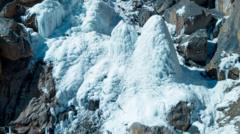
India's high-altitude mountain villages are implementing innovative water management strategies through the construction of artificial glaciers, a groundbreaking approach that addresses chronic water scarcity in the region. These remarkable structures, resembling towering ice pyramids, represent a fusion of traditional knowledge and modern engineering designed to secure essential water supplies for agricultural production during spring months when crops require maximum irrigation.
The artificial glaciers function as natural water reservoirs, capturing and storing winter precipitation and snowmelt that would otherwise flow away unused. By creating these ice formations at strategic locations throughout the Himalayas, local communities have developed a sustainable solution to mitigate the devastating effects of seasonal drought and climate variability.
How Artificial Glaciers Work in Mountain Regions
The technology behind artificial glaciers operates on a straightforward yet effective principle. During winter months, water from natural sources is diverted into specially designed channels and allowed to freeze in shaded areas where sunlight exposure remains minimal. This controlled freezing process creates massive ice accumulations that gradually melt during spring and early summer, releasing water precisely when agricultural demands peak.
Engineering and Construction Process
Village engineers employ locally available materials and traditional construction methods to build the infrastructure supporting these ice pyramids. The structures are positioned at high elevations where temperatures remain below freezing for extended periods, ensuring optimal conditions for ice preservation. Strategic placement near agricultural lands minimizes water loss during distribution and reduces the energy required for irrigation systems.
The construction process involves creating channels, collecting basins, and insulated storage areas that work in harmony with natural topography. Communities invest considerable effort in system maintenance during winter to maximize ice accumulation and prevent unnecessary melting before the irrigation season begins.
Agricultural Impact and Crop Production
For Himalayan farmers, artificial glaciers have transformed agricultural viability in previously marginal farming areas. Spring water availability directly determines crop yields, and the reliable water supply from these ice structures enables farmers to cultivate traditionally impossible crops in high-altitude regions. Improved irrigation consistency has increased agricultural productivity by significant margins across participating villages.
The timing of water release from artificial glaciers aligns perfectly with natural crop growth cycles, providing irrigation during critical developmental stages. This synchronization between water availability and agricultural needs has resulted in healthier plants, larger harvests, and improved food security for mountain communities.
Climate Change and Water Security Challenges
Traditional glacier melt has become increasingly unpredictable due to climate change, with warming temperatures causing earlier snowmelt and extended dry seasons. Mountain villages face unprecedented challenges in maintaining consistent water supplies for irrigation purposes. The artificial glacier system addresses these challenges by creating controllable water storage independent of traditional glacial dynamics.
As natural glaciers retreat at accelerating rates throughout the Himalayan range, artificial ice pyramids provide a crucial buffer against water scarcity. These structures compensate for declining natural ice resources and ensure that mountain communities maintain agricultural sustainability despite broader climatic shifts affecting the region.
Community Benefits and Socioeconomic Development
Beyond agricultural production, artificial glaciers generate significant socioeconomic benefits for mountain villages. Improved crop yields increase farmer income, strengthen local food security, and reduce dependence on external resources. Communities develop stronger economic resilience through enhanced agricultural output and improved living standards.
The project demonstrates how traditional mountain communities leverage indigenous knowledge combined with practical engineering to address complex environmental challenges. Young people gain incentives to remain in mountain villages rather than migrate to urban areas, preserving cultural heritage and community cohesion while creating sustainable livelihoods based on improved agricultural productivity.
Expansion and Future Prospects
Success in initial implementation has prompted interest in expanding artificial glacier projects throughout the Himalayan region. Other mountain communities in India and neighboring countries are studying these techniques to replicate benefits in their own areas. Governments and environmental organizations recognize the approach as a promising climate adaptation strategy with potential for widespread application.
Future development may involve technological improvements in ice preservation, expanded storage capacity, and enhanced distribution systems. As climate challenges intensify across mountain regions globally, artificial glaciers represent a scalable, sustainable solution that empowers communities to secure water independence while maintaining traditional agricultural practices.


