 .
.
Historic T. Rex Specimen Valued at $30 Million
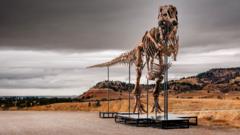
An extraordinary Tyrannosaurus rex fossil dating back 67 million years is preparing for public sale in New York, with preliminary estimates suggesting a valuation of approximately $30 million. This remarkable specimen represents a significant moment in the commercial dinosaur fossil market, potentially establishing a new benchmark for the most expensive prehistoric remains ever sold.
Implications for Scientific Research
The extraordinary value assigned to this T. rex specimen has sparked considerable debate within the scientific community. Paleontologists and museum curators have expressed serious concerns about what this precedent means for future fossil acquisition and public accessibility. The substantial price tag threatens to limit institutional purchases and raises questions about whether priceless natural history treasures should remain available for scientific study rather than private collection.
Market Impact on Paleontological Collections
When significant fossil specimens command such extraordinary prices, museums and universities face unprecedented challenges in acquiring materials essential for research and education. The T. rex fossil market has experienced dramatic growth in recent years, with collectors and investors viewing these ancient remains as both scientifically valuable and financially lucrative assets. This dual appeal has fundamentally transformed how paleontological materials are valued and distributed globally.
The Scientific Community's Response
Leading paleontologists have voiced concerns that escalating fossil values could fundamentally alter research opportunities for future generations. Academic institutions traditionally relied on acquiring notable specimens to enhance their collections and support ongoing research initiatives. The escalating prices in the T. rex fossil auction market now present formidable obstacles to institutions seeking to expand their paleontological holdings for educational and scientific purposes.
Understanding the Auction Process
The New York auction represents a carefully curated event designed to attract serious collectors and investors interested in prehistoric natural history. The T. rex specimen undergoing sale represents decades of paleontological field work and preparation. Every detail regarding the fossil's condition, geological provenance, and anatomical completeness factors into its assessed market value.
Future Perspectives on Fossil Commercialization
The trajectory of the T. rex fossil market raises fundamental questions about balancing commercial interests with scientific preservation. While private collectors argue that market mechanisms ensure proper fossil curation and study, paleontologists counter that institutional repositories provide essential public access and long-term research opportunities. The outcome of this high-profile New York auction will undoubtedly influence how museums, researchers, and collectors approach future significant fossil acquisitions.
Industry experts anticipate that successful completion of this sale could establish new valuation standards for comparable specimens, potentially inspiring additional fossil material offerings in commercial markets worldwide.


